By Phuket News Property Editorial Team · February 2, 2026
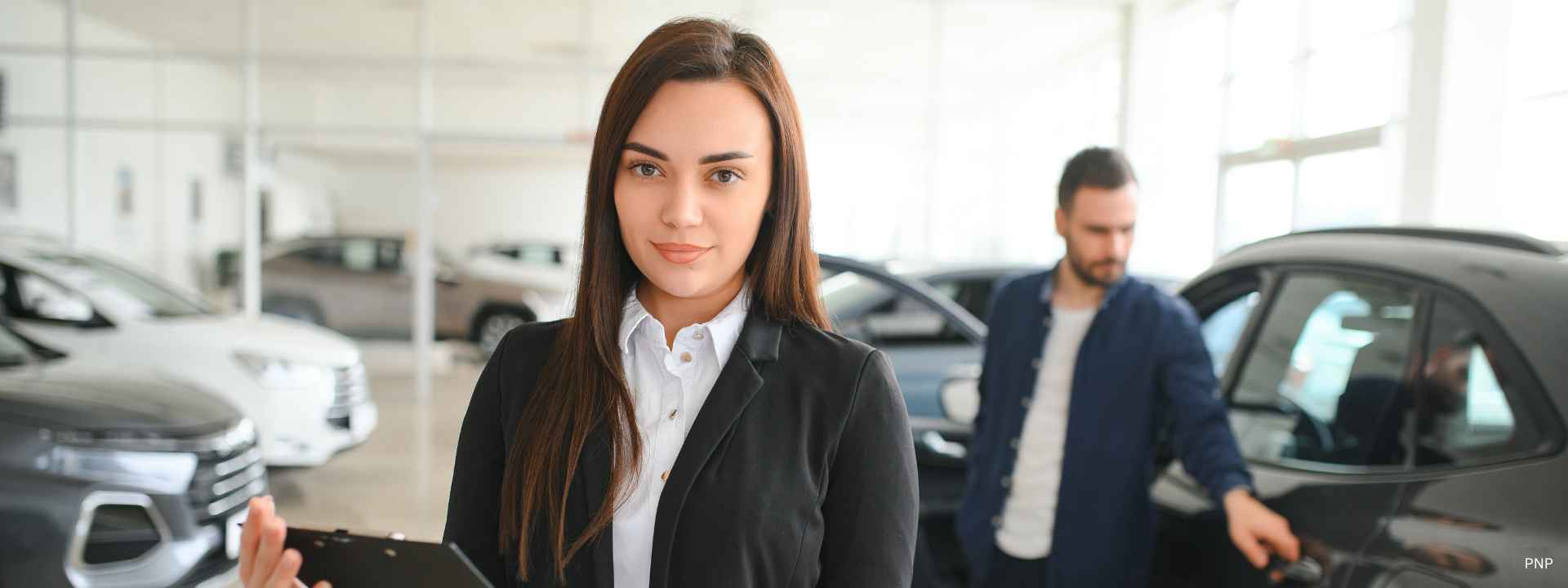
New car sales in Phuket have risen sharply in recent periods, standing out against a more subdued national automotive market. Local dealerships report strong demand, particularly from long-stay foreign residents and new arrivals to the island, pointing to a broader pattern that links population growth, tourism recovery, and the Phuket property market.
Rather than being an isolated trend, rising vehicle ownership appears to be part of a wider shift in how people are living, working, and settling in Phuket.
Population growth is changing transport needs
As more residents choose to live in Phuket year-round, daily transport needs have changed. Long-term residents tend to prioritise reliability, convenience, and independence over short-term rental options, leading many to purchase vehicles soon after settling on the island.
Dealerships in Phuket have reported that a substantial proportion of new car buyers are foreign residents rather than tourists, reflecting the island’s growing international community and longer average lengths of stay.
A move away from traditional vehicle choices
Another noticeable trend is a shift in the types of vehicles being purchased. While pick-up trucks and large SUVs were once dominant, many buyers are now opting for smaller passenger cars and compact models that are easier to drive and park on Phuket’s increasingly busy roads.
This change reflects more urbanised living patterns, with many residents based near schools, hospitals, marinas, and residential communities rather than rural or construction-focused areas.
Electric vehicles gain traction in Phuket
Electric vehicles are also becoming more visible on Phuket’s roads. Nationally, EV adoption has accelerated, supported by government incentives and increased model availability, and Phuket has mirrored this trend more quickly than many other provinces.
For residents, EVs offer lower running costs and suit shorter daily driving distances around the island. The growing presence of EV charging points in shopping centres, residential developments, and new projects has further encouraged adoption.
Tourism recovery supports resident confidence
Tourism and residency are closely linked in Phuket, and improvements in visitor numbers often translate into greater confidence among those already living on the island. As tourism stabilises and infrastructure investment continues, residents are more willing to commit to longer-term purchases such as vehicles and homes.
This confidence effect helps explain why Phuket’s car market has remained resilient even when national auto sales have softened due to tighter lending conditions elsewhere in Thailand.
Car ownership as a signal of long-term commitment
Buying a new car is often one of the clearest indicators that someone intends to stay. Unlike short-term rentals or leased accommodation, vehicle ownership suggests a longer planning horizon and deeper integration into daily life on the island.
For the Phuket property market, rising car sales therefore act as a secondary signal of sustained residential demand. People who buy cars are more likely to rent long-term, purchase homes, enrol children in schools, and participate in the local economy.
When transport and property trends move together
Historically, periods of strong Phuket property demand have coincided with increases in private vehicle ownership. Both reflect the same underlying drivers: population growth, improved infrastructure, and confidence in the island as a place to live rather than just visit.
As Phuket continues to evolve into a year-round residential destination, rising new car sales reinforce the view that demand is being driven not only by investors or tourists, but by people putting down roots and building daily lives on the island.