Why Living Around Big Buddha Road Is a Unique Phuket Experience
The foothills around Big Buddha Road offer cool mountain mornings, sweeping views over Kata and Karon, rainforest scenery, and a lifestyle shaped by nature and community.

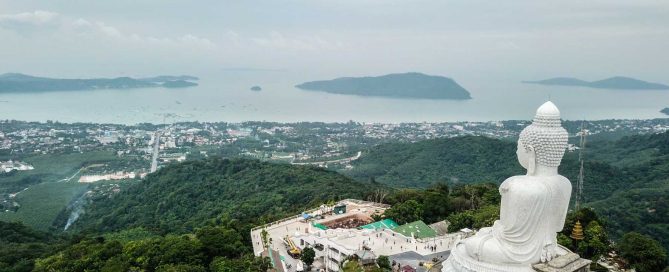
The foothills around Big Buddha Road offer cool mountain mornings, sweeping views over Kata and Karon, rainforest scenery, and a lifestyle shaped by nature and community.
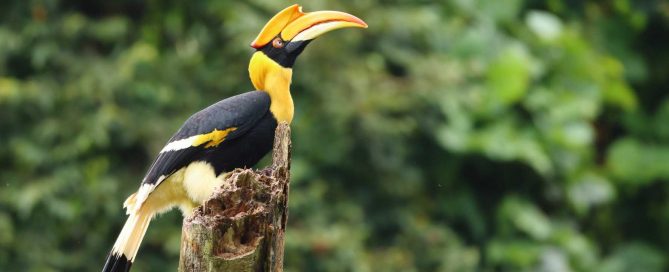
Phuket supports one of southern Thailand’s most diverse bird populations, with species ranging from bright kingfishers to majestic sea eagles. Birdwatchers and nature lovers will find plenty to enjoy.
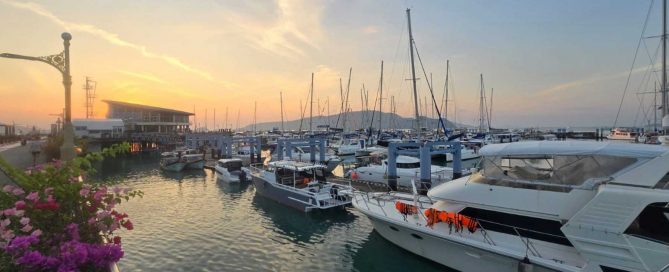
Before most of Phuket wakes, Chalong Bay is already in motion. Boats prepare for island excursions, fishing trips, and dive tours, creating a daily rhythm that defines local life.
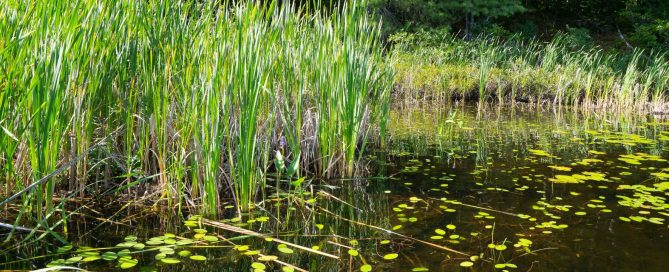
Mai Khao and Sirinat National Park protect Phuket’s last remaining coastal wetland corridor. A quiet stretch of preserved beach, forest, and wildlife habitat that reveals a rare side of the island’s natural landscape.

Phuket is increasingly attracting younger property buyers and digital nomads as technology and remote work make long-term island living possible.

Many Phuket property buyers choose to rent first to understand neighbourhoods, lifestyle, and long-term suitability before buying.
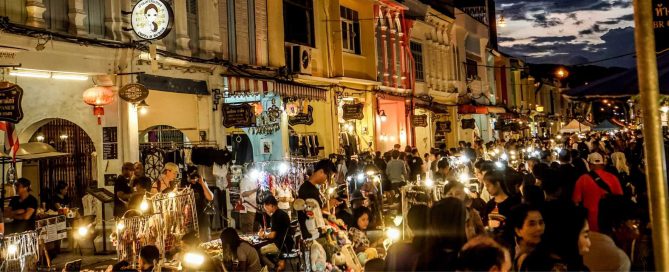
Phuket’s international community has shifted from a small group of nationalities to a truly global mix over the past two decades.
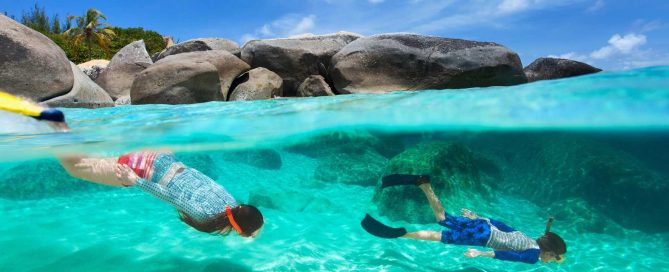
Phuket attracts many long-stay residents who choose not to buy property, valuing flexibility, lifestyle, and long-term renting instead.
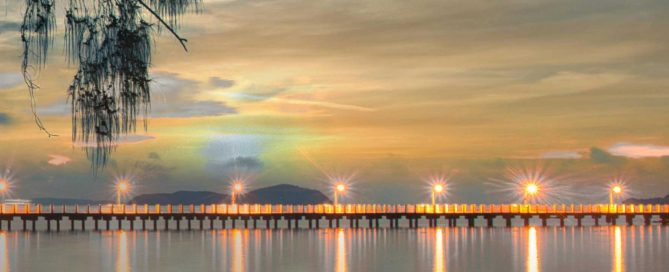
Phuket’s infrastructure has evolved dramatically, transforming daily life through improved roads, shopping, leisure facilities, and modern services.
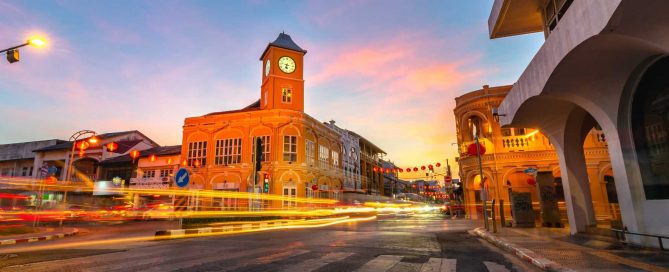
Some areas of Phuket feel highly seasonal while others remain residential year-round. Understanding these differences helps residents choose where to live.
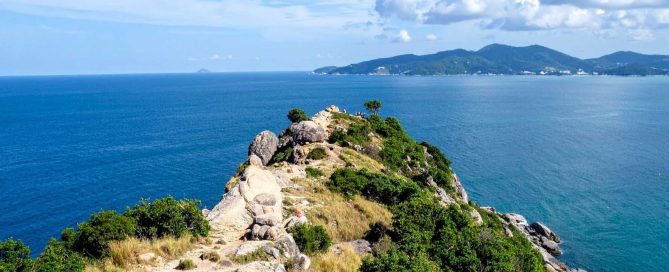
Phuket has modernised rapidly, yet it still feels like an island shaped by the sea, tradition, and a relaxed pace of life.
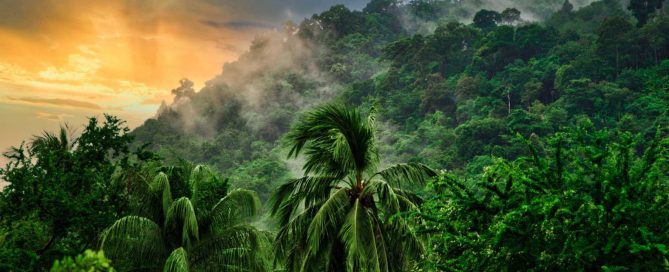
Phuket has transformed rapidly, and its natural life has changed along with it. This article explores how development, tourism, and everyday behaviour now shape the future of wildlife and ecosystems across the island.