By Phuket News Property Editorial Team · February 2, 2026
Across the world, yoga has evolved from a specialised practice into a widely recognised approach to physical and mental wellbeing. In places that naturally support outdoor living and balanced routines, yoga often becomes more than occasional exercise. It becomes part of everyday life.
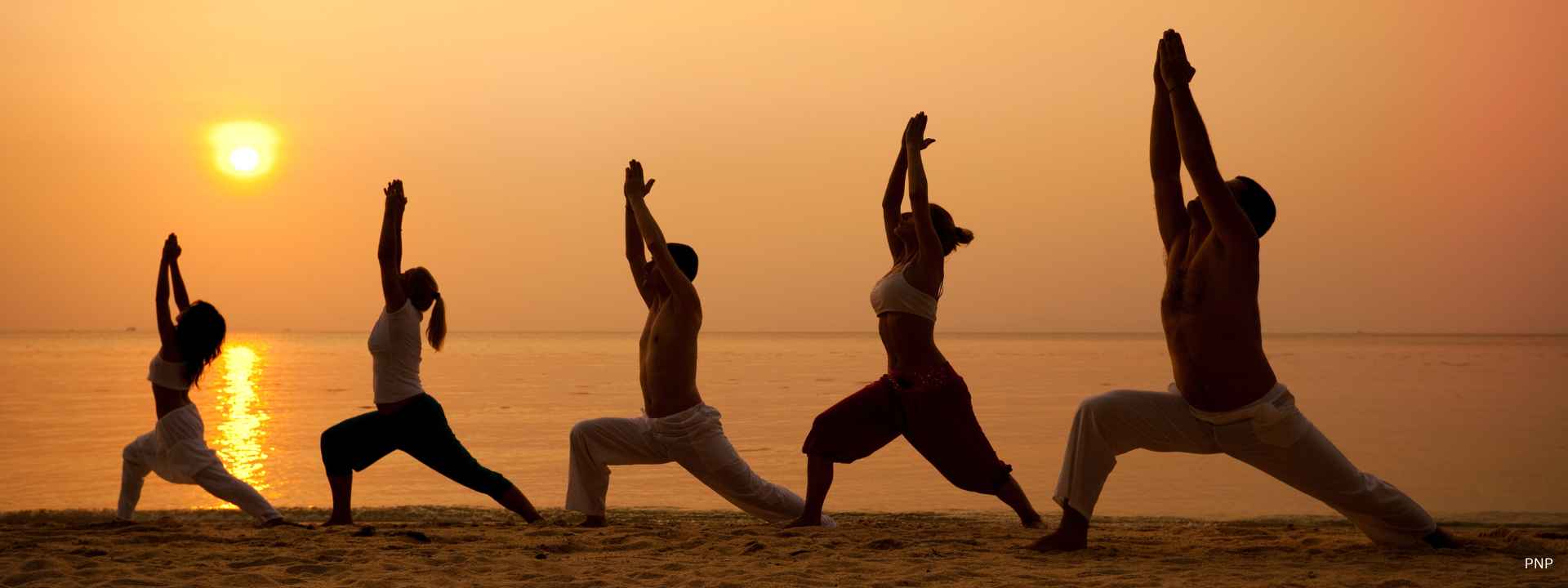
Phuket is one such place. The island is home to a large and growing number of yoga studios, beachfront classes, wellness retreats, and specialist instructors. From sunrise sessions overlooking the ocean to quieter indoor practices, yoga has become deeply woven into the rhythm of life for many residents.
A practice that supports both body and mind
One of yoga’s enduring strengths is its ability to address multiple aspects of wellbeing at once. Regular practice is commonly associated with improved flexibility, better posture, increased muscular strength, and enhanced balance.
At the same time, the emphasis on controlled breathing and mindful movement encourages mental focus and emotional steadiness. For many practitioners, yoga provides a structured opportunity to step away from daily demands and reset.
A wide range of styles to suit different needs
Part of yoga’s global appeal lies in its adaptability. Different styles allow individuals to choose an approach aligned with their goals, physical condition, and preferred pace.
More dynamic forms such as Vinyasa often involve continuous movement between poses, supporting cardiovascular activity while building strength. Ashtanga follows a structured sequence that promotes discipline and endurance.
Hatha is frequently seen as a foundational style, offering a balanced introduction to posture and breath. Iyengar places strong emphasis on alignment, often incorporating props to support safe positioning.
Slower practices such as Yin focus on deeper stretches held for longer periods, encouraging flexibility and joint mobility. Restorative yoga prioritises relaxation, allowing the body to release tension.
Kundalini centres on breathwork, movement, and awareness, while Hot Yoga takes place in heated rooms that encourage muscle pliability and increased perspiration.
With such variety available across Phuket, residents can explore different methods until they find a practice that feels sustainable.
Supporting stress regulation
Modern life often places the nervous system in a near constant state of alertness. Practices that encourage slower breathing and deliberate movement may help signal the body to shift toward the parasympathetic nervous system, sometimes described as the rest and recovery mode.
Many people report feeling calmer after a session, particularly when yoga becomes a consistent habit rather than an occasional activity.
Mobility and healthy ageing
Maintaining mobility is increasingly recognised as a key factor in long-term health. Yoga’s focus on joint movement, muscle engagement, and balance can support functional strength across all age groups.
For older adults in particular, these qualities may contribute to confidence in everyday movement and help reduce the likelihood of falls.
The adaptability of yoga also allows individuals to modify poses as their needs evolve, making it a practice that can continue throughout life.
The influence of environment on practice
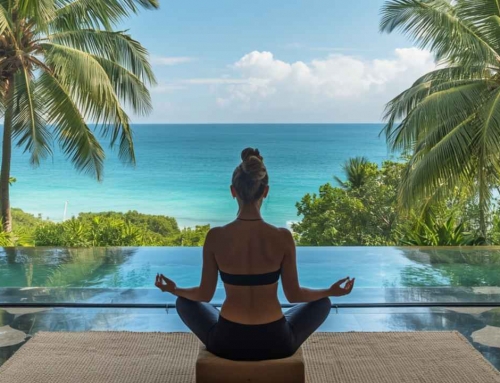
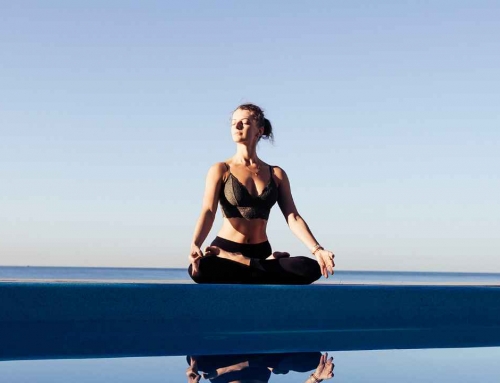
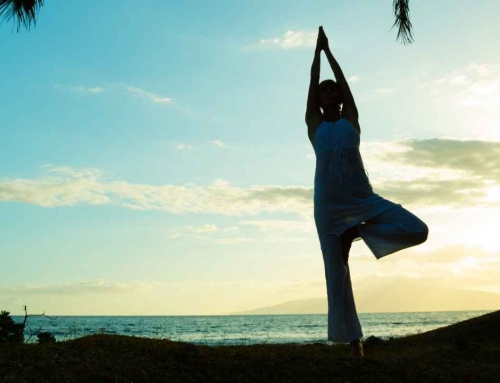
Where yoga is practised can shape the experience itself. Natural surroundings, warm temperatures, and proximity to the sea often encourage deeper relaxation and sensory awareness.
In Phuket, it is common to see sessions held near beaches, within tropical gardens, or in open-air studios. These settings reinforce the connection between movement and environment, allowing participants to feel more grounded.
Building community through shared routines
Yoga studios often become informal community spaces where residents gather regularly. These shared routines can support social wellbeing alongside physical health, particularly for those who are new to the island.
Over time, familiarity with instructors and fellow practitioners creates a sense of belonging that extends beyond the class itself.
A reflection of shifting health priorities
Globally, more people are placing long-term wellbeing at the centre of their lifestyle choices. Practices that support both physical resilience and mental clarity are receiving renewed attention.
The strong presence of yoga across Phuket reflects this broader shift. When environments make healthy routines accessible, they are more likely to become lasting habits.
Why this matters for long-term living
Wellbeing is increasingly influencing relocation decisions. Access to fitness facilities, outdoor activity, healthcare, and wellness practices now plays a meaningful role in how people evaluate potential places to live.
Phuket’s established yoga culture contributes to an environment where maintaining balance feels achievable rather than aspirational.
For many residents, the ability to integrate practices such as yoga into daily life becomes part of what makes living on the island sustainable over the long term.