
By Phuket News Property Editorial Team · February 2, 2026
Not all properties in Phuket resell with the same ease. While some homes attract steady interest and retain long-term appeal, others struggle to find buyers even when prices are reduced. Understanding why this happens is important for anyone considering a property purchase on the island.
Resale performance is rarely about luck. It is usually the result of structural, legal, and location-related factors that influence buyer confidence.
Legal structure plays a central role
One of the most important factors affecting resale is the legal structure of ownership. Properties that are simple to understand and clearly compliant with Thai law tend to attract a wider pool of buyers.
Freehold condominiums with clean ownership history are generally easier to resell because buyers understand the structure and lenders are more comfortable with it. In contrast, properties held under unclear lease terms or poorly documented company structures often raise concerns that limit buyer interest.
If a buyer cannot quickly understand how ownership works, they are more likely to walk away.
Location affects long-term demand
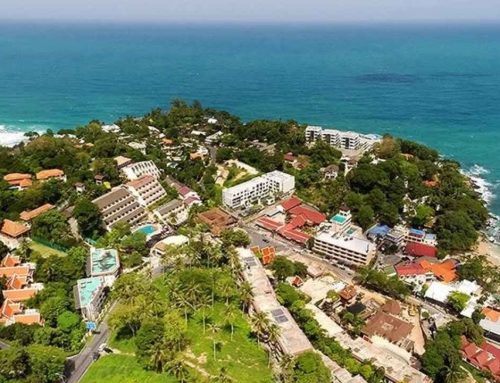
Location influences resale far beyond proximity to the beach. Areas with reliable infrastructure, good access to schools, hospitals, and everyday services tend to hold value better over time.
Properties in locations that rely heavily on short-term tourism can struggle during quieter periods, while areas popular with long-stay residents often see more consistent demand. Buyers thinking long term usually prioritise livability over novelty.
Development quality and management matter
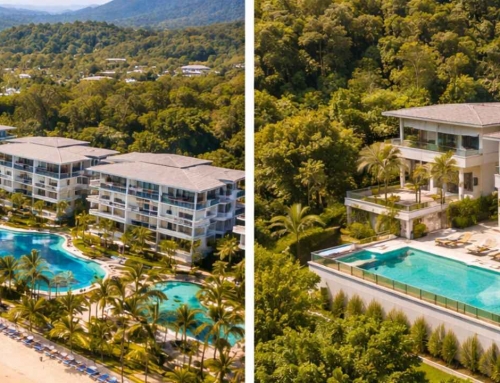
Well-built properties with good maintenance records are easier to resell. Buyers pay close attention to construction quality, ongoing maintenance, and how a building or estate is managed.
In condominium developments, strong juristic person management and realistic maintenance budgets help preserve value. Poor management, rising fees without transparency, or visible neglect can quickly deter buyers.
Overpricing limits buyer interest
Some properties struggle to resell simply because expectations are unrealistic. Asking prices based on peak market conditions or emotional attachment can place a property outside the range buyers are willing to consider.
Resale markets tend to reward properties priced in line with comparable sales rather than aspirational figures. Properties that linger on the market for long periods often do so because pricing does not reflect current demand.
Design and layout influence resale appeal
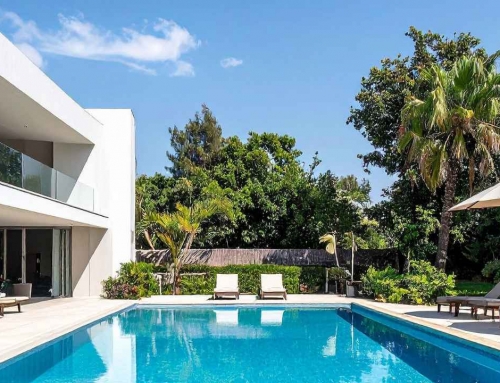
Layouts that suit long-term living generally resell more easily than designs created purely for short stays. Practical floor plans, usable outdoor space, adequate storage, and sensible room proportions matter more to resale buyers than dramatic styling.
Properties designed around lifestyle functionality tend to appeal to a broader audience and remain relevant as buyer preferences evolve.
Why some properties retain steady interest
Properties that combine clear legal structure, practical design, strong location fundamentals, and realistic pricing tend to perform consistently over time. These factors reduce uncertainty for buyers and make resale decisions easier.
Understanding these elements before purchasing helps buyers avoid properties that may become difficult to sell later.
What buyers should consider early
Resale should not be an afterthought. Thinking about who the next buyer might be, and what they will value, helps guide better decisions from the outset.
In Phuket, properties that resell well usually do so because they meet everyday needs, comply clearly with the law, and align with how people actually live on the island.