By Phuket News Property Editorial Team · January 30, 2026
Phuket property buyers are increasingly encountering smart home technology as part of modern residential design. What was once considered optional or experimental has become a practical feature in many new developments and private homes, particularly in the mid-to-upper segments of the market.
From security and access control to climate management and energy monitoring, smart home systems are now shaping buyer expectations and influencing how properties are perceived, valued, and lived in.
Smart access and entry systems
One of the most noticeable changes in modern homes is the move away from traditional keys and remotes. Smart entry systems now allow doors and gates to be accessed using smartphones, biometric identification, or secure digital credentials.
Facial recognition and fingerprint entry systems are already in use in high-end villas, gated communities, and newer condominium projects. These systems provide secure access while also creating detailed entry logs that can be reviewed remotely via mobile apps.
Number plate recognition technology has also become more common in gated estates and residential parking areas. Cameras automatically identify registered vehicles and open gates without the need for cards or stickers, improving convenience while maintaining controlled access.
Integrated security and monitoring
Modern smart homes often combine access control with integrated security systems. High-definition cameras, motion sensors, and smart doorbells can be monitored in real time from a smartphone, allowing homeowners to check activity whether they are at home or overseas.
Artificial intelligence is increasingly used to distinguish between residents, visitors, vehicles, and animals, reducing false alerts and improving overall reliability. These systems are particularly appealing to long-stay residents and overseas owners who want visibility and peace of mind when they are away from the property.
Climate, lighting, and environmental control
Smart home technology now extends well beyond security. Lighting, air conditioning, and ventilation systems can be automated or controlled remotely, allowing homeowners to manage comfort and energy use efficiently.
Homes can be programmed to adjust lighting and temperature based on time of day, occupancy, or individual preferences. Motorised blinds and curtains are commonly integrated into these systems, improving privacy and reducing heat gain during the day.
For buyers, these features offer both lifestyle comfort and long-term efficiency benefits, particularly in a tropical climate like Phuket’s.
Centralised control through smartphones
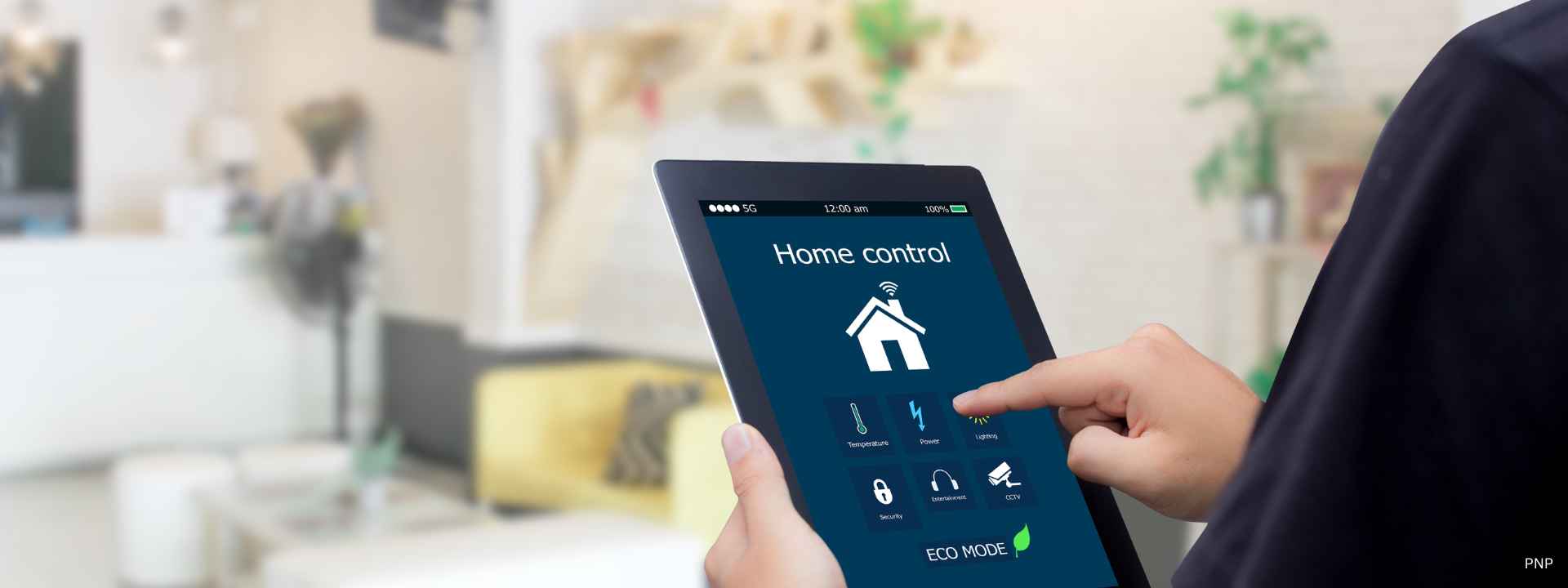
One of the defining features of modern smart homes is centralised control. Rather than operating multiple independent systems, homeowners can manage access, security, lighting, climate, and monitoring through a single application on their smartphone or tablet.
This integration simplifies everyday living and allows properties to function smoothly whether occupied full-time or used seasonally. Temporary access permissions can be issued to guests, service providers, or property managers without handing over physical keys.
Impact on buyer expectations
Smart home features are increasingly viewed as standard in newer residential projects rather than luxury add-ons. Buyers comparing properties often expect modern security systems, app-based controls, and basic automation as part of the overall offering.
In competitive market segments, homes without these features may appear dated even if they are relatively new. As a result, smart home readiness is becoming a factor in both initial buyer interest and long-term resale appeal.
A shift toward future-ready homes
The growing presence of smart home technology reflects a broader shift toward future-ready housing. Buyers are looking for homes that support security, convenience, and efficiency while remaining adaptable as technology continues to evolve.
In Phuket, where many properties are owned by international buyers or used as second homes, smart home systems provide practical advantages that align with modern lifestyles. As adoption continues, these technologies are likely to play an increasingly important role in how residential property is designed, marketed, and valued.