By Phuket News Property Editorial Team · February 2, 2026
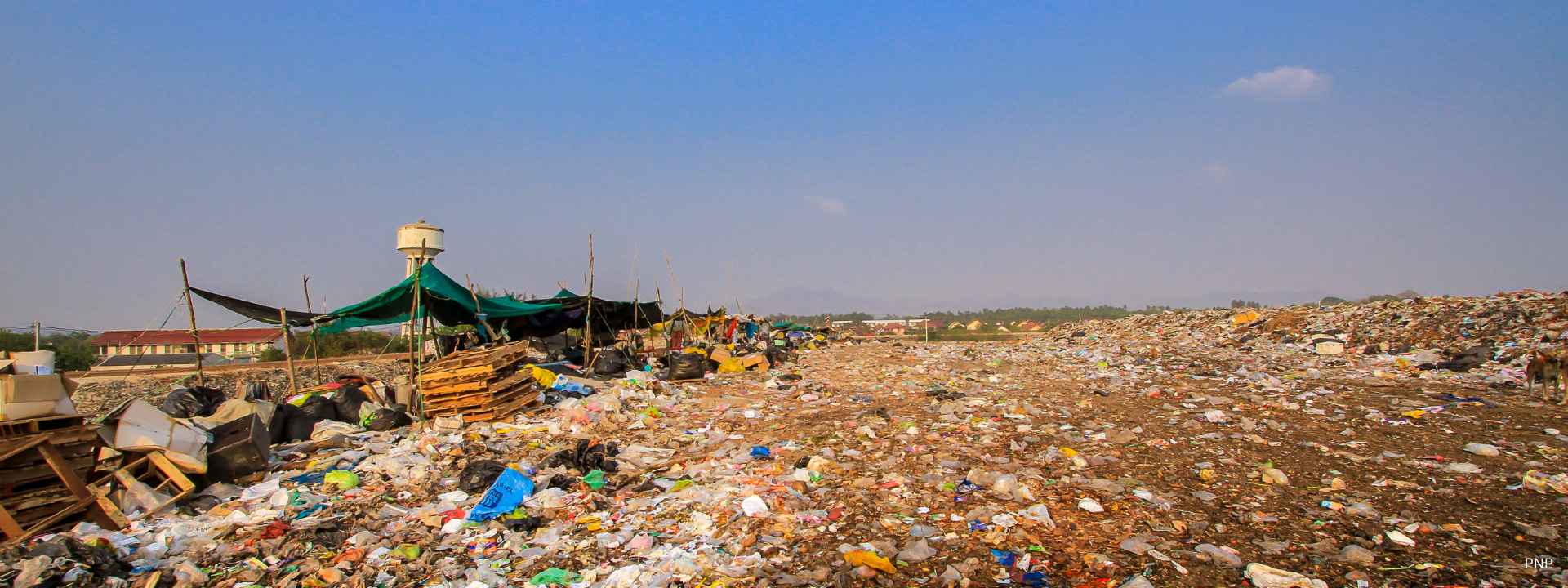
Phuket’s rapid growth as a residential and tourism destination has placed increasing pressure on local infrastructure. One of the most visible challenges is waste management, as rising volumes of household, commercial, and hospitality refuse test the capacity of existing collection and disposal systems.
In recent months, provincial authorities and municipalities have accelerated efforts to move beyond landfill dependency by exploring waste sorting, treatment technology, and resort-led management models.
Rising waste volumes put pressure on infrastructure
Daily waste generation in Phuket has continued to rise alongside population growth and visitor numbers. Existing incineration facilities and disposal centres are operating near capacity, while landfill space is increasingly limited.
Provincial officials have held inter-municipal planning meetings to coordinate waste collection, transportation, and processing strategies across the island.
Resort-led waste management models under review
Recent local reporting has shown provincial leaders studying waste management systems operated by large resort properties. These sites use integrated on-site solutions such as controlled incineration, organic waste processing, and closed-loop waste handling to reduce the volume sent to public disposal facilities.
Authorities are assessing how similar models could be adapted for wider municipal use, particularly in high-density tourism and residential zones.
New waste sorting and treatment facilities planned
Phuket City Municipality is progressing plans for a modern waste sorting facility at the central disposal site. The objective is to separate recyclable, organic, and residual waste before treatment, improving efficiency and extending the usable life of existing disposal infrastructure.
This reflects a broader shift toward treating waste as a managed resource rather than a landfill burden.
Community waste reduction programmes expanding
Municipalities across Phuket are expanding household waste separation schemes, recycling initiatives, and food-waste reduction programmes. Public education campaigns and community collection points are being introduced to encourage participation at neighbourhood level.
These efforts are designed to reduce waste volumes at source rather than relying solely on downstream processing.
Construction waste receiving greater attention
With continued development activity across the island, construction waste disposal is also under closer monitoring. Authorities are working to strengthen site management requirements and prevent illegal dumping, aligning waste policy with wider environmental compliance efforts in the construction sector.
Why waste management matters for long-term development
Reliable waste infrastructure plays an essential role in maintaining environmental quality, public health, tourism reputation, and residential liveability. Future development approvals and environmental assessments are increasingly linked to demonstrated waste management capacity.
This makes sustainable waste planning an important factor in Phuket’s long-term growth strategy.
Gradual progress toward sustainable systems
Phuket’s waste challenge remains complex, but institutional focus has shifted toward long-term solutions rather than short-term fixes. With new treatment facilities in planning, resort-led models under evaluation, and community participation expanding, the island is moving toward a more structured and sustainable waste management framework.
These developments will shape how Phuket balances future growth with environmental stewardship.