
By Phuket News Property Editorial Team · January 24, 2026
Phuket’s luxury villa market has long been shaped by foreign demand. Overseas buyers have driven much of the island’s high-end residential development, influencing project design, pricing, and location strategy. As ownership compliance standards tighten, the sector is now approaching a structural turning point that will require new approaches to villa development.
Greater alignment with international financial and ownership regulations is increasing scrutiny on legacy ownership practices. While enforcement remains an evolving process, the direction of travel is clear. Developers are being pushed toward delivering products that offer legal clarity, long-term security, and buyer confidence without reliance on informal structures.
This emerging environment is setting the stage for a redesign of how Phuket’s next generation of villa projects will be conceived.
Rising compliance expectations are changing development risk
For many years, foreign participation in Thailand’s villa market relied on ownership structures that sat in grey legal territory. These arrangements were widely used, but never fully aligned with foreign ownership law. Increased inter-agency coordination, digital land records, and data-led audits are now bringing higher visibility to ownership compliance.
As a result, future projects will need to be structured with clearer legal foundations. Developers who continue to rely on outdated ownership models may face rising commercial and reputational risk, particularly as buyer awareness of compliance grows.
Leasehold remains legal but faces buyer confidence limits
Leasehold villa ownership remains a lawful and functional structure for foreign buyers. Properly drafted leases can provide renewal rights, inheritance planning, and long-term security. From a legal perspective, leasehold continues to play an important role in the market.
However, market behaviour shows that many international buyers still place higher value on ownership models that feel permanent and transferable. This perception gap affects resale liquidity and buyer confidence, creating pressure for developers to explore alternative ownership designs that align law with buyer psychology.
Condominium frameworks offer a potential design pathway
Thailand’s Condominium Act provides a clearly defined structure for foreign freehold ownership within registered condominium projects. Historically, this model has been applied to apartment-style developments. However, there is growing discussion within development circles about how condominium registration could be adapted to villa-style living environments.
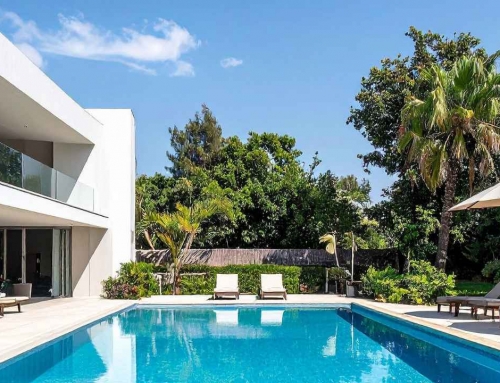
Design concepts under consideration include low-density residential layouts, private gardens, individual pools, and detached-style residences structured within condominium legal frameworks. This approach could allow future projects to deliver villa lifestyles while operating within established foreign ownership law.
Lifestyle demand is reinforcing the need for innovation
Phuket’s buyer base continues to evolve. Long-stay residents, retirees, digital professionals, and relocating families increasingly prioritise privacy, outdoor space, and community-managed environments. Demand for pet-friendly residences, landscaped estates, and low-density living is now mainstream rather than niche.
Future villa developments that combine these lifestyle features with legally clear ownership structures are likely to align more closely with buyer expectations in the coming decade.
Ownership clarity may become a pricing differentiator
As compliance visibility increases, properties offering transparent and legally robust ownership frameworks may attract stronger buyer interest. Limited supply of products meeting these criteria could influence long-term pricing dynamics, particularly in the upper end of the residential market.
Developers able to deliver legally aligned ownership designs alongside desirable living environments may be positioned more favourably as buyer awareness of compliance continues to rise.
A forward shift rather than a short-term trend
Phuket’s villa market is entering a phase where legal design, buyer confidence, and regulatory alignment will play a larger role in determining project viability. The next generation of developments is likely to be shaped as much by ownership structure as by architecture and location.
While many projects currently follow established models, the coming years are expected to reward those that adapt early to emerging legal and market realities.