By Phuket News Property Editorial Team · January 14, 2026
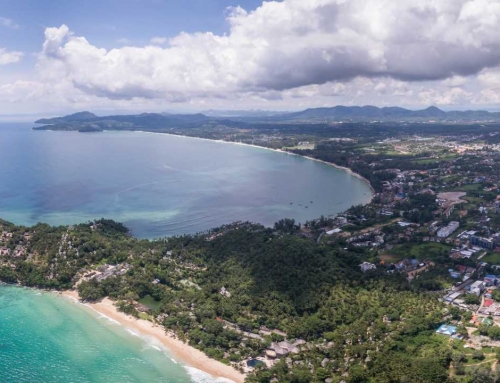
Phuket’s north-east coast presents a residential environment that differs markedly from the island’s better-known west-coast beach areas. Defined by sheltered waters, peninsulas, and long-established communities, this part of the island has evolved quietly, shaped more by long-term living than by short-stay tourism.
This guide looks at residential life along the north-east coast as a whole, including areas such as Cape Yamu, Ao Po, and Pa Klok, without separating them into individual neighbourhood profiles.
Setting and geography
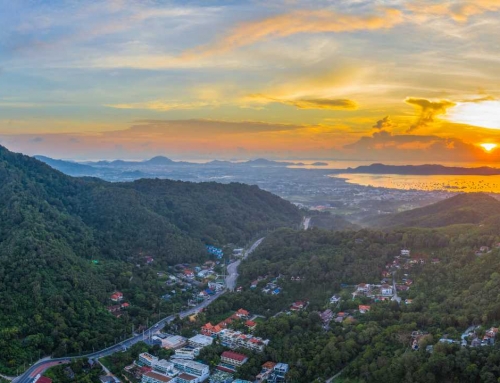
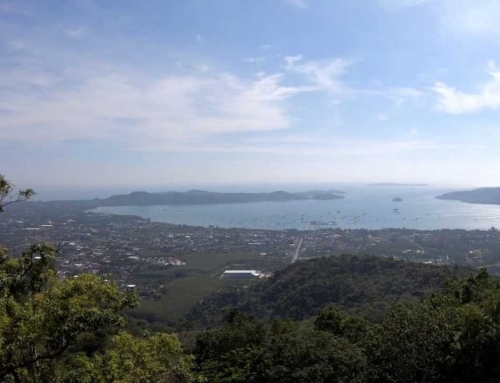
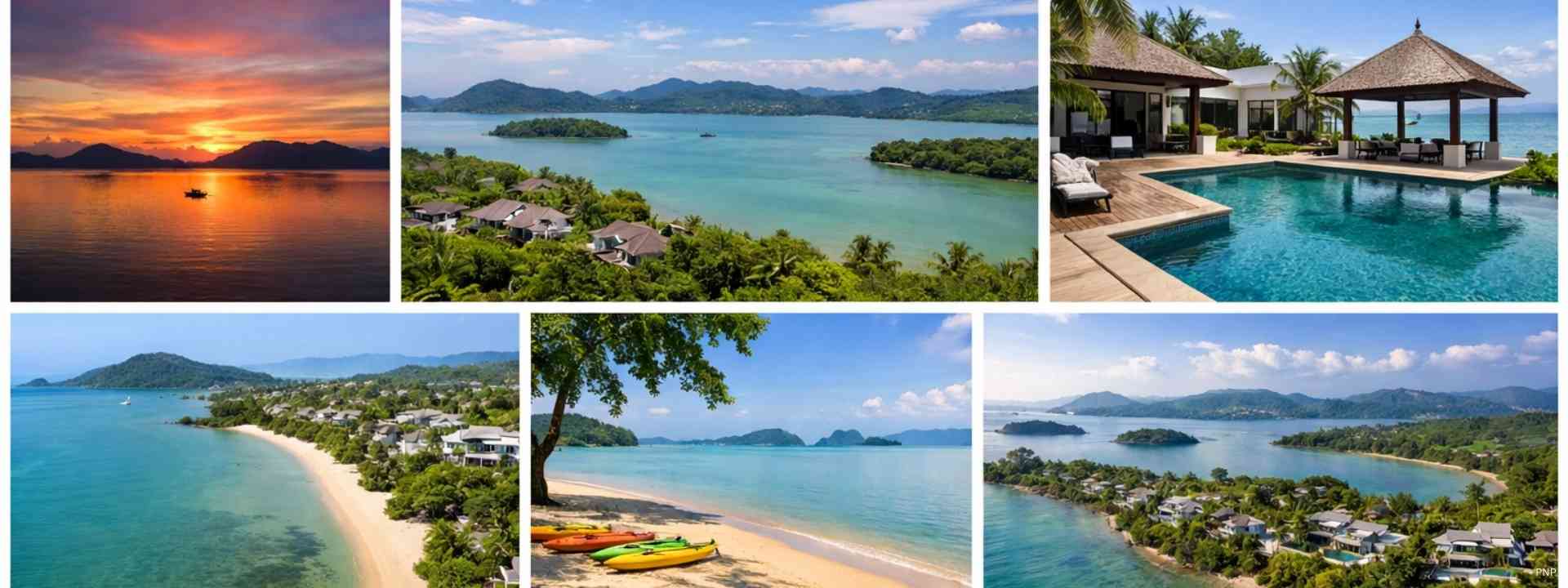
The north-east coast runs along Phuket’s eastern shoreline, facing Phang Nga Bay. Unlike the west coast, where beaches define daily movement and development, this side of the island is characterised by calm seas, mangroves, inlets, and gently rising land.
Residential areas are spread out rather than clustered, with homes positioned along peninsulas, hillsides, and inland roads rather than around village beachfronts.
Connectivity and access
Despite its quieter setting, the north-east coast is not isolated. Inland roads link the area to Thalang Town, Cherng Talay, and Phuket International Airport without the need to cross high-traffic resort zones.
For residents, this means predictable travel times and easier access to the airport and central parts of the island, particularly appealing to those who travel frequently or prefer to avoid seasonal congestion.
Residential character
Living on the north-east coast is defined by low density and permanence. Development has historically been gradual, resulting in residential environments that prioritise space, privacy, and long-term occupation.
Homes range from established family residences to private villa communities, many oriented toward bay views rather than direct beach access. This has shaped an atmosphere that feels settled and intentional rather than transient.
Daily life and amenities
Everyday routines on the north-east coast tend to be self-contained. Residents rely on nearby schools, healthcare services, and essential retail within reasonable driving distance, while larger commercial centres remain accessible when needed.
Rather than daily interaction with high-density amenities, life here is organised around planned movement and quieter residential rhythms.
Relationship with the sea
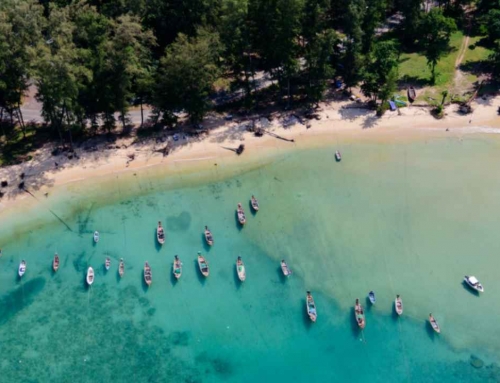
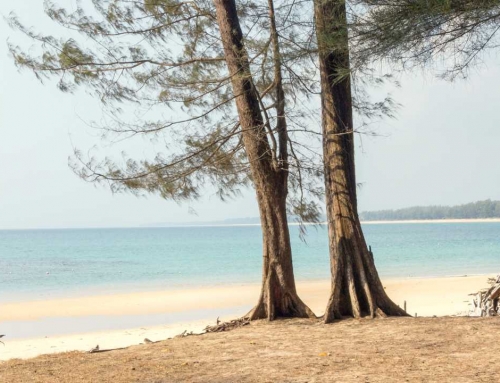
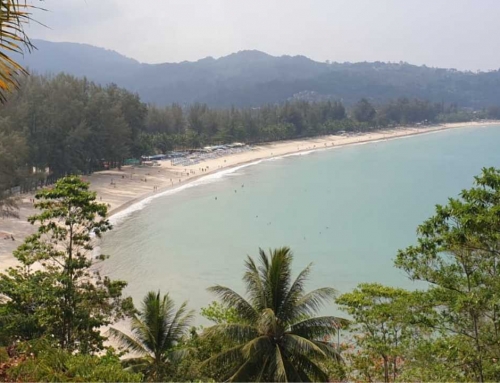
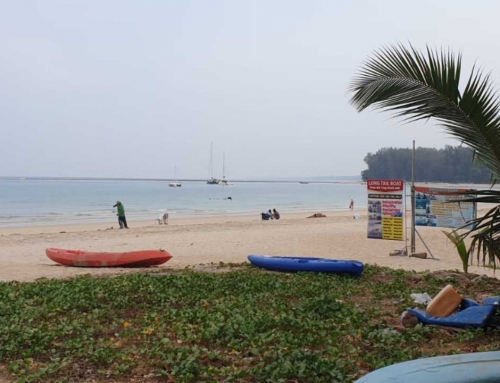
The coastal environment along the north-east differs from Phuket’s west-coast beaches. Swimming beaches are limited, but calm waters, sheltered bays, and marine access shape how residents interact with the sea.
For many, the coastline is valued for outlook, boating access, and tranquillity rather than active beach use. This distinction is central to the area’s appeal for long-term living.
Community and atmosphere
Communities along the north-east coast are smaller and more dispersed. Many residents have lived in the area for extended periods, contributing to a stable environment with limited seasonal change.
The absence of large resort clusters has allowed the area to retain a residential identity shaped by everyday life rather than visitor demand.
Who the north-east coast suits
Residential life along Phuket’s north-east coast tends to appeal to those who prioritise privacy, space, and consistency over convenience or proximity to nightlife. Its strength lies in offering separation from the island’s busiest zones while remaining functionally connected.
This balance has made the north-east coast a long-standing residential choice for people seeking a quieter way of living within reach of the rest of Phuket.