
By Phuket News Property Editorial Team · December 16, 2025
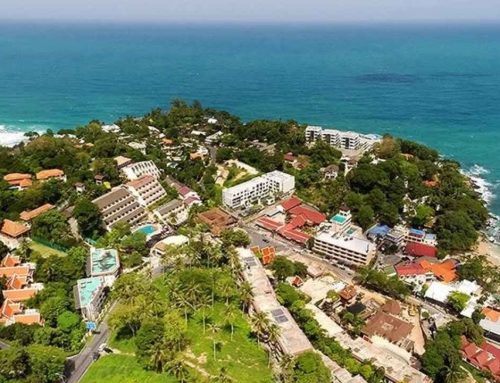
Phuket’s property market has undergone a clear structural shift since the pre-Covid period, moving away from short-term, tourism-driven cycles toward a more stable, long-term residential market.
While the island has long attracted international buyers, the nature of demand, development strategy and buyer behaviour has evolved significantly over the past several years.
From seasonal demand to year-round living
Before Covid, much of Phuket’s property demand was closely linked to tourism cycles. Short-stay investors and holiday-home buyers played a prominent role, and purchasing decisions were often influenced by rental yield potential and peak-season occupancy.
Since then, demand has broadened. Long-stay residents, remote professionals, retirees and internationally mobile families now represent a larger share of buyers. This has supported more consistent year-round activity and reduced reliance on seasonal peaks.
Greater emphasis on liveability and infrastructure
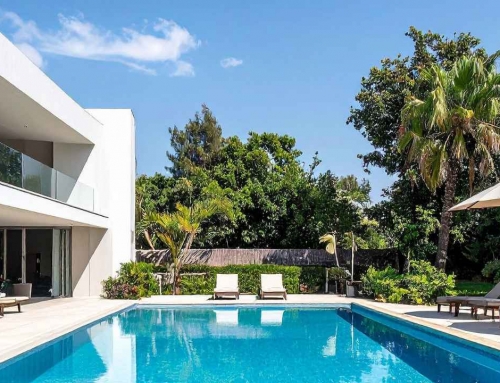
Pre-Covid development often prioritised location and short-term rental appeal. Today, buyers place increased emphasis on liveability factors such as access to healthcare, education, transport and community amenities.
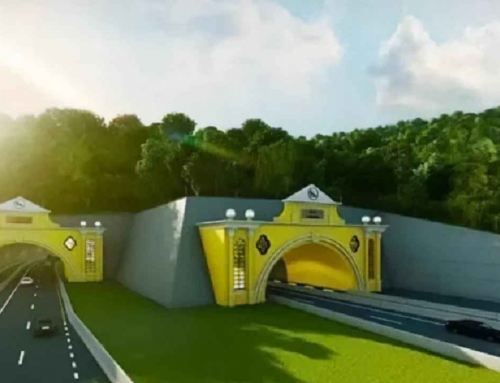
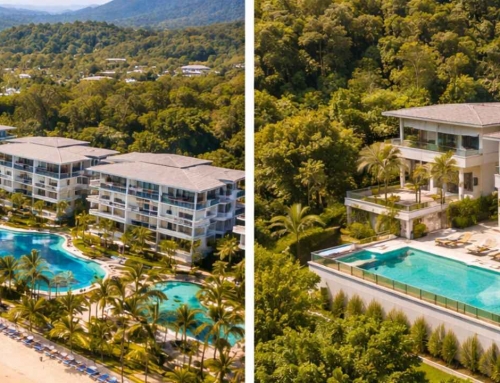
Developers have responded by designing projects that support full-time living, with improved layouts, shared facilities and proximity to essential services. Infrastructure alignment has become a more central consideration in development planning.
Longer holding periods and measured decision-making
Another notable change is buyer behaviour. Pre-Covid markets often saw faster transaction cycles and shorter holding periods, particularly among speculative investors.
Post-Covid buyers tend to adopt longer-term perspectives. Purchasing decisions are more measured, with greater focus on sustainability, long-term value and lifestyle suitability rather than rapid capital turnover.
Shift in development strategy
Development strategies have also evolved. Instead of rapid project rollouts aimed at capturing short-term demand, many developers now favour phased delivery and long-term planning.
This approach allows supply to align more closely with demand while supporting pricing stability and consistent market absorption.
A more resilient market structure
Taken together, these changes have contributed to a more resilient property market. Diversified demand, longer holding periods and infrastructure-led development have reduced volatility and strengthened Phuket’s position as a long-term residential destination.
As the market continues to mature, the post-Covid evolution is likely to shape Phuket’s property landscape for years to come.