By Phuket News Property Editorial Team · January 12, 2026
Phuket has grown rapidly over the past few decades. Infrastructure has expanded, international arrivals have increased, and modern conveniences are now part of everyday life. Yet despite this growth, Phuket still feels unmistakably like an island.
This sense of identity has survived development in a way that many other island destinations have not.
Growth without full industrialisation
Phuket is comparable in size to some well-known island cities, yet its development path has been very different. Unlike places that evolved into highly industrial or densely urbanised centres, Phuket has remained largely focused on lifestyle, tourism, and residential living.
Heavy industry never took hold here. Large-scale manufacturing zones and industrial ports did not define the island’s future. As a result, the coastline, surrounding waters, and natural landscape continue to shape daily life rather than being pushed to the margins.
The sea is still part of everyday life
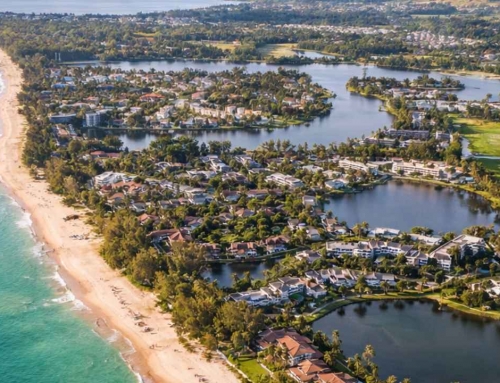
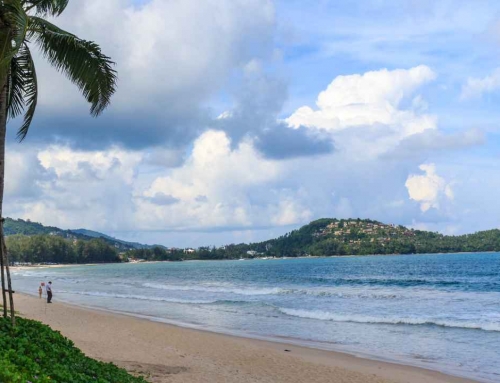
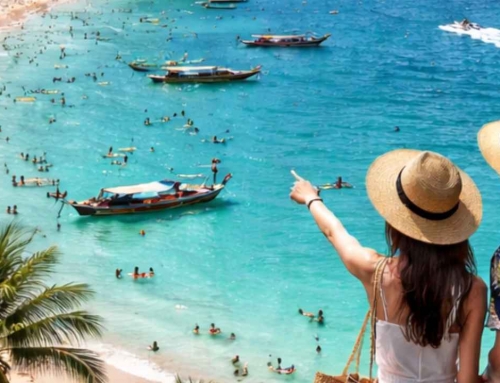
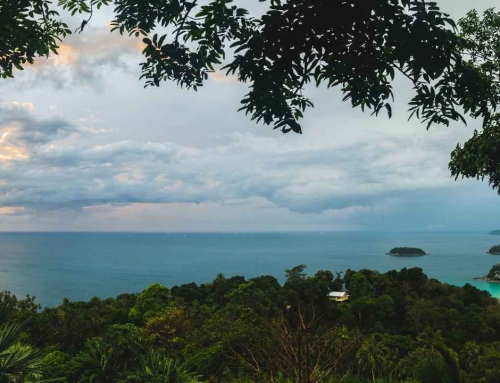
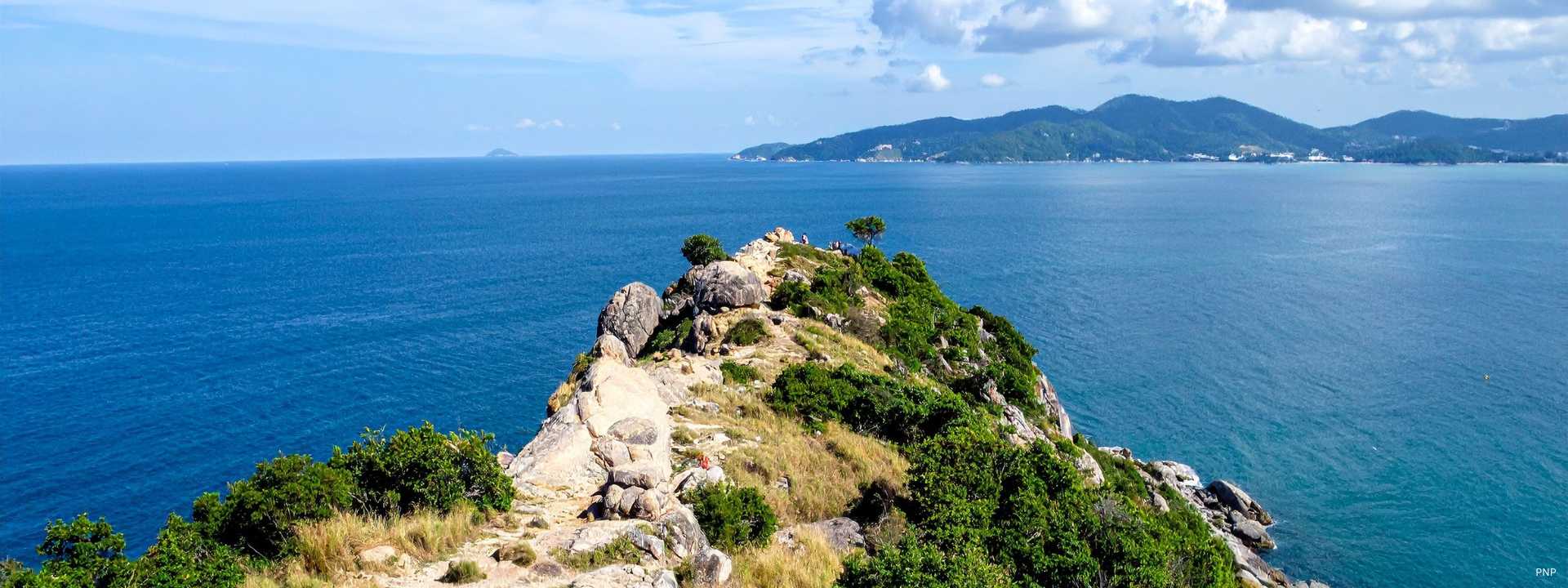
One of the clearest signs that Phuket still feels like an island is its relationship with the sea. Beaches, bays, and open water remain accessible and central to how people live.
Fishing boats still operate alongside marinas. Local seafood markets coexist with beachfront restaurants. While tourism brings pressure during certain times of year, the sea has not been separated from everyday life by industrial barriers or extensive port infrastructure.
This connection helps preserve the island feeling.
A slower rhythm beneath the surface
Even as roads improve and facilities modernise, Phuket maintains a slower underlying rhythm. Outside of peak tourist areas and seasons, daily life moves at a gentler pace.
Local shops open and close on their own schedule. Conversations are unhurried. Social interactions often matter more than efficiency. This rhythm contrasts sharply with cities where growth has replaced local cadence with constant urgency.
Traditions that continue quietly
Modernisation has not erased Phuket’s cultural foundations. Temples remain active community centres. Festivals continue to follow traditional calendars. Local customs, food culture, and social norms are still visible in everyday life.
Rather than being staged for visitors, many traditions persist simply because they remain part of how people live. This continuity anchors the island in its past while allowing it to evolve.
Friendliness rooted in island culture
The openness and warmth often associated with Phuket is not accidental. Island communities tend to foster familiarity, shared space, and interdependence. These traits remain evident despite population growth and international influence.
Locals interact daily with people from many backgrounds, yet the island retains a sense of approachability. This balance between openness and identity contributes strongly to how Phuket feels.
Different areas, different island experiences
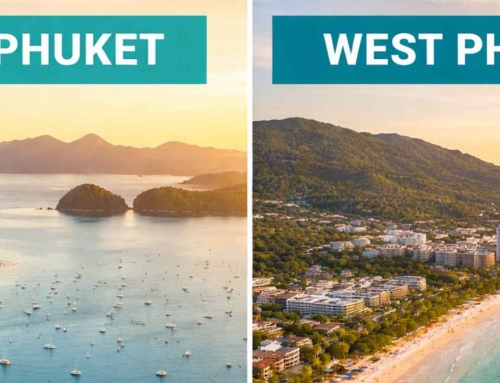
Phuket does not offer a single experience. The west coast, Phuket Town, and the north east coast each have distinct personalities.
Beachfront areas on the west coast reflect leisure and tourism. Phuket Town blends history, commerce, and local life. The north east coast remains quieter, more residential, and closely tied to traditional rhythms.
These variations allow residents to choose environments that suit their lifestyle while remaining part of the same island.
Growth guided by lifestyle rather than scale
Perhaps the most important reason Phuket still feels like an island is that growth has largely followed lifestyle demand rather than industrial ambition. Development has focused on living, leisure, and hospitality rather than volume and output.
This has allowed Phuket to modernise without losing its essential character.
Despite expansion, the island continues to feel connected to the sea, grounded in tradition, and shaped by a pace of life that distinguishes it from many other rapidly developed destinations.