
By Phuket News Property Editorial Team · March 29, 2026
When people begin exploring Phuket property, one of the most important distinctions they encounter is the difference between the island’s west coast and east coast. While both sides offer unique advantages, they cater to different lifestyles, priorities and long-term living preferences.
The west coast: beaches, sunsets and established lifestyle hubs
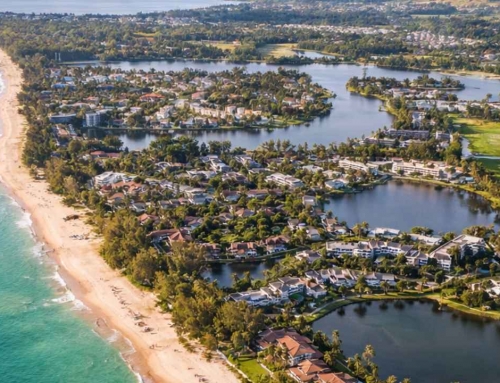
Phuket’s west coast is often the first area that attracts attention, largely due to its well-known beaches and established infrastructure.
Locations such as Bang Tao, Kamala, Kata and Nai Harn offer a combination of beachfront access, restaurants, cafés and lifestyle amenities that have developed steadily over time. These areas tend to be more visually aligned with what many people expect from a tropical island environment.
For residents, this translates into a lifestyle centred around outdoor living, with easy access to beaches, sunset views and a wide range of dining and social options. Over time, parts of the west coast have evolved into fully functioning residential communities rather than purely tourist destinations.
The east coast: practicality, space and local integration
In contrast, Phuket’s east coast offers a different type of environment, often characterised by greater space, lower density and closer integration with local communities.
Areas such as Chalong, Cape Panwa, and the eastern parts of Thalang provide access to essential services, marinas, schools and everyday infrastructure without the same level of tourism activity. While the coastline itself is less focused on swimming beaches, it plays an important role in boating and marine access.
For many residents, particularly those living in Phuket long-term, the east coast offers a more practical and grounded lifestyle, with easier day-to-day living and less seasonal fluctuation.
Accessibility and daily convenience
Accessibility can vary significantly between the two coasts depending on where someone chooses to live.
The west coast benefits from well-developed road networks linking popular residential areas, although traffic can become heavier during peak periods, particularly in high-demand zones. The concentration of amenities often reduces the need for long-distance travel once residents are established in a specific area.
The east coast, on the other hand, can offer easier access to certain parts of the island, including Phuket Town and key transport routes. This can be an important consideration for families, working residents or those who prioritise convenience over proximity to the beach.
Lifestyle priorities and personal preference
Choosing between the west and east coast ultimately comes down to lifestyle priorities.
Those who value proximity to the beach, social venues and a more resort-style environment often gravitate towards the west coast. In contrast, those who prefer a quieter setting, more space and a stronger connection to everyday local life may find the east coast more suitable.
Both options can support long-term living, but the experience of living in each area can feel noticeably different.
How this influences Phuket property decisions
The distinction between the two coasts also plays a role in how buyers evaluate Phuket property.
Rather than focusing solely on location in a general sense, many buyers begin to consider how different parts of the island align with their intended lifestyle. This includes factors such as daily routines, travel requirements, community environment and long-term plans.
Understanding these differences early in the process can help narrow down suitable areas and avoid unnecessary compromises later on.
A balanced view of the island
Phuket’s diversity is one of its defining characteristics, and the contrast between the west and east coast is a key part of that.
Neither side is inherently better than the other. Instead, each offers a distinct way of living, shaped by infrastructure, geography and community development over time.
For residents and future buyers alike, recognising these differences provides a clearer perspective on what each part of the island can offer.