
By Phuket News Property Editorial Team · January 14, 2026
Thailand’s broader property market continued to face significant headwinds through 2025, marked by falling transaction volumes, tighter lending conditions, and structural challenges, but Phuket’s real estate sector is carving out a distinct trajectory amid mixed national signals.
National overview: a sector under strain
According to recent industry reporting, the Thai property market endured a severe slowdown in 2025. New housing sales plunged sharply, with some segments declining by nearly 50%, and mortgage rejection rates for lower-priced homes spiked as banks tightened credit amid high household debt and weak underlying economic conditions. Analysts described this as the most persistent problem the sector has faced in years.
Economic forecasters also warn that the property downturn may extend into a 2-3 year contraction period, as elevated household debt and tight bank lending continue to constrain buyer capacity and developer strategies.
In response, authorities have implemented stimulus measures aimed at shoring up activity, including temporary relaxations in loan-to-value rules and significant cuts in transfer and mortgage registration fees to support transactions for properties below certain thresholds.
Phuket’s divergence: steady momentum despite broader weakness
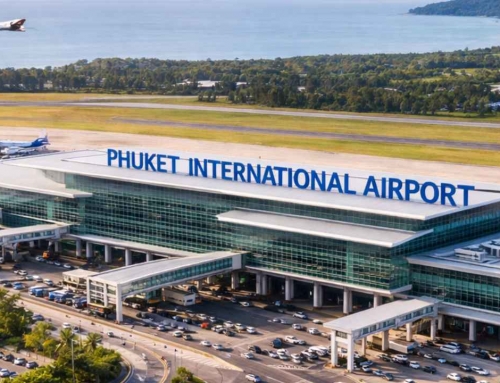
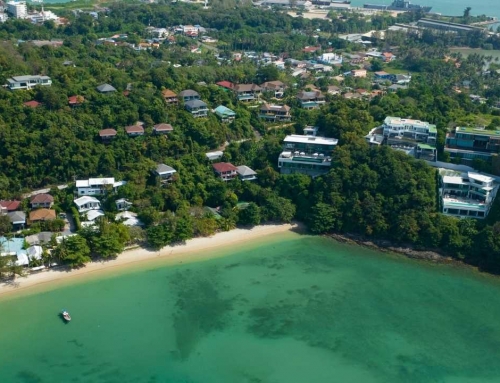
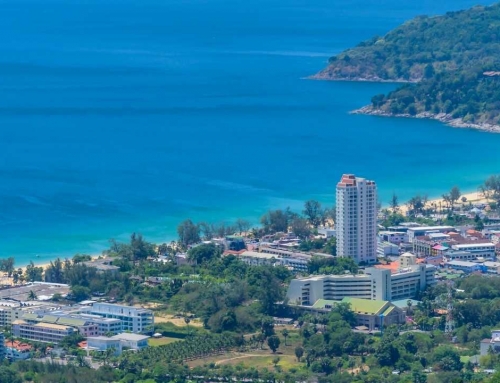
Against this national landscape, Phuket’s property sector stands out for relative resilience and continued interest. Industry assessments show the island maintaining steady absorption in key residential segments, notably among foreign buyers, even as other regions struggle. Growth forecasts for Phuket’s prices in 2025-2026 suggest continued upward movement, outpacing many mainland locales.
A robust pipeline of nearly US$14 billion in investment has been highlighted at recent real estate forums, with expansion in both residential and hotel inventories over the next few years underscoring Phuket’s global appeal as a lifestyle and property destination.
Local sentiment and legal trends also point to evolving market conditions for the island’s real estate in 2026, with industry voices monitoring shifts in regulation, buyer sentiment, and investor approaches that could shape next phases of development.
Developer strategy and market positioning
Developers nationwide are being urged to pivot away from large-scale, mass-market projects toward more specialised, financially prudent strategies that match current demand realities. This aligns with Phuket’s ongoing trend toward quality over quantity, where lifestyle property, luxury residences, and internationally-oriented buyers continue to underpin longer-term demand.
Bottom line: Phuket vs national trends
While Thailand’s property market faces structural contraction and slower momentum in several key segments, Phuket matters differently. Its reliance on foreign lifestyle demand, limited land supply, and sustained investment interest means the island is navigating the broader slowdown from a position of comparative strength.
That said, challenges remain, particularly in aligning supply with demand, pricing appropriately, and sustaining infrastructure and service developments that support long-term residential living.
For now, Phuket’s property market looks set to grow through 2026 with distinct dynamics and resilience that are drawing investor and resident interest alike, even as the national landscape remains in flux.