By Phuket News Property Editorial Team · January 12, 2026
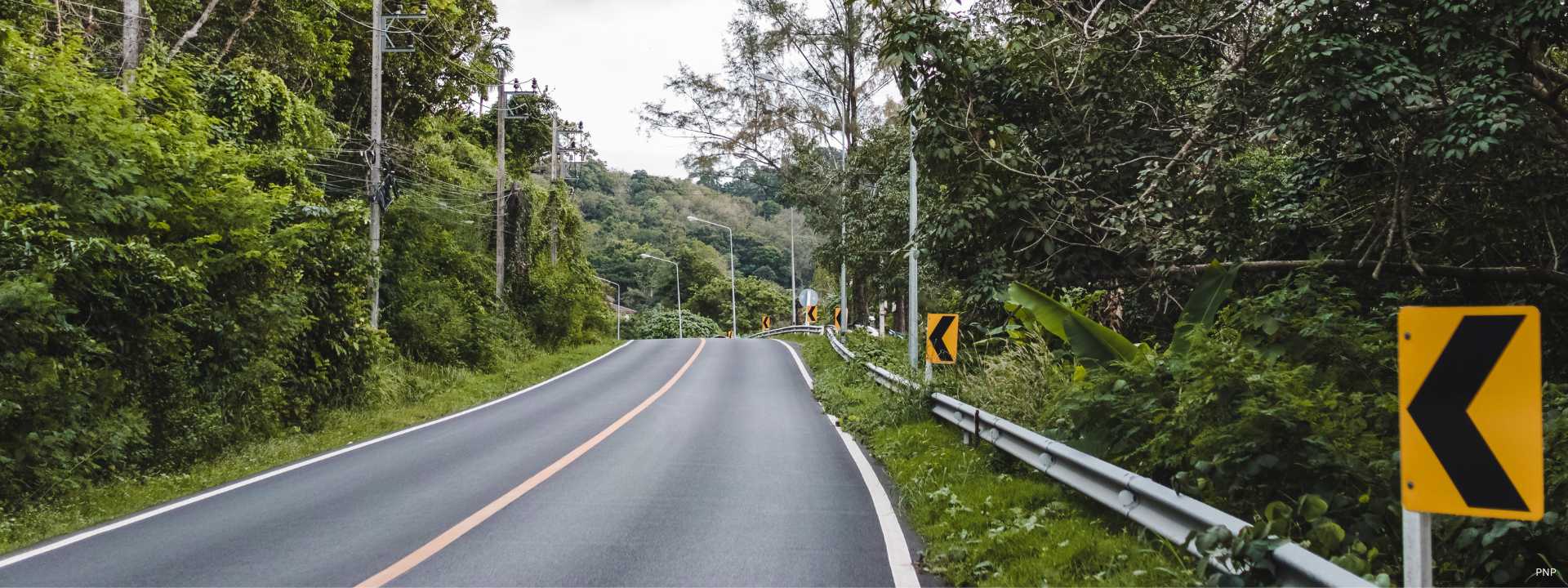
Phuket once moved at a very different pace. Travel across the island was simple, predictable, and rarely stressful. A journey from Rawai or Kata to the airport could take little more than half an hour outside peak hours. Roads were quieter, junctions were simple, and most local residents travelled by motorbike. Over the past twenty five years, Phuket’s road network and traffic patterns have transformed dramatically, reshaping daily life for residents and visitors alike.
Remembering Phuket’s quieter road network
In the early years of Phuket’s modern tourism growth, the island had very few major traffic control systems. There were limited traffic lights. No underpasses. No multilane intersections. Chalong retained a village atmosphere with narrow roads, local shops, and open land. Central Phuket had no Samkong underpass. The airport junction was a simple surface crossing. Large roundabouts and grade separated interchanges were still future planning concepts.
Daily travel was guided by informal road culture. Motorbikes dominated. Cars were present but far less common. Congestion existed during peak holiday seasons, but everyday commuting remained manageable. The island felt compact and easily navigable.
Rising prosperity and changing mobility
Over time, Phuket’s economic growth raised household incomes across local communities. Thai families who once relied primarily on motorbikes began purchasing cars. Vehicle ownership increased steadily, and brand new cars became a common sight on the roads.
This shift reflected rising prosperity rather than simple preference. Cars offered comfort, safety, family transport, and status. As incomes grew, mobility patterns changed. Roads that were designed for lighter traffic began to carry heavier daily loads.
The result was a natural transition from a motorbike dominated transport culture to a car oriented one, similar to other developed urban regions in Thailand.
Infrastructure adapting to a growing island
As traffic increased, Phuket’s road infrastructure evolved to cope with new realities. Underpasses were introduced at major junctions to ease bottlenecks. The Samkong underpass reshaped movement near Central Phuket. The airport approach road was redesigned to improve arrival and departure flow. Chalong’s road network expanded, transforming it from a quiet village zone into a major island thoroughfare.
New residential estates, shopping centres, international schools, and tourism facilities added further travel demand. Each new development brought incremental pressure to an already growing network.
These infrastructure upgrades improved capacity, but they also signalled a permanent shift. Phuket was no longer a small coastal town with scattered resort zones. It had become a fully developed regional centre.
How traffic now shapes lifestyle decisions
Today, travel time is part of everyday planning. School runs, airport journeys, business meetings, and leisure outings all require awareness of peak hour patterns. Areas that once felt equally accessible now differ in perceived convenience depending on road connectivity.
Residential preferences have adjusted accordingly. Some buyers prioritise proximity to workplaces or schools. Others choose locations with easier airport access. Lifestyle decisions increasingly factor in commuting reality rather than simple distance on a map.
This is a normal stage of urban maturity. It reflects Phuket’s transition from an emerging destination to an established residential and tourism economy.
Looking ahead
Future transport planning will continue shaping Phuket’s livability. Road expansions, traffic management systems, and potential rail projects are part of long term infrastructure discussions. The challenge is balancing growth with quality of life, ensuring that convenience keeps pace with prosperity.
Phuket’s roads tell the story of an island that has evolved from quiet coastal village networks into a modern, busy, and economically confident community. The transformation has been significant. How the next phase is managed will influence daily life for the next generation of residents.