By Phuket News Property Editorial Team · January 12, 2026
Phuket’s luxury property market moves into 2026 with stable demand, limited prime supply, and a clear shift toward long-term residential ownership. While global economic conditions remain mixed, the upper tier of Phuket’s market continues to show resilience, supported by lifestyle migration, cash-led purchasing, and structural constraints on new high-quality supply.
This article outlines the key data points, buyer trends, and market conditions shaping Phuket’s luxury property segment as the new year begins.
Pricing signals entering 2026
Pricing indicators across Phuket’s residential market suggest that premium and luxury segments remain well supported. Industry market tracking from 2025 reported median condominium pricing on the island at approximately THB 144,000 per square metre, while villas and landed residential property recorded median pricing around THB 70,000 per square metre.
At the same time, the total active residential supply pipeline was estimated at just over 40,000 units across several hundred developments. These figures highlight a key dynamic entering 2026: while overall supply exists, truly prime luxury inventory remains relatively scarce, particularly in established low-density residential areas.
For buyers, this reinforces the importance of location quality and product differentiation rather than headline pricing alone.
Luxury segment resilience and buyer confidence
The luxury segment continues to demonstrate relative insulation from short-term economic pressures. National property reporting in late 2025 noted that villa transactions in Phuket increased by more than 20 percent year on year in the prior cycle, reflecting sustained confidence among higher-net-worth buyers.
This resilience is partly structural. Luxury purchases in Phuket are predominantly cash-driven, reducing exposure to interest rate volatility and tightening credit conditions seen in other markets. As a result, buyer behaviour in the upper segment tends to be more deliberate and less reactive.
Villas and condominiums in the luxury tier
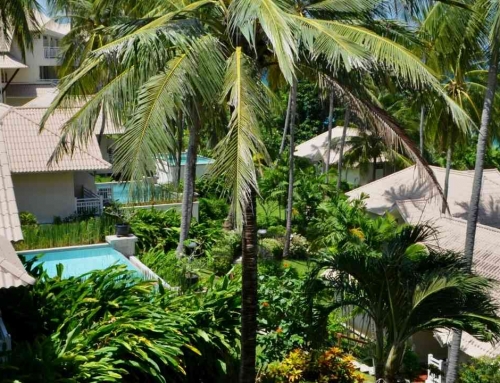
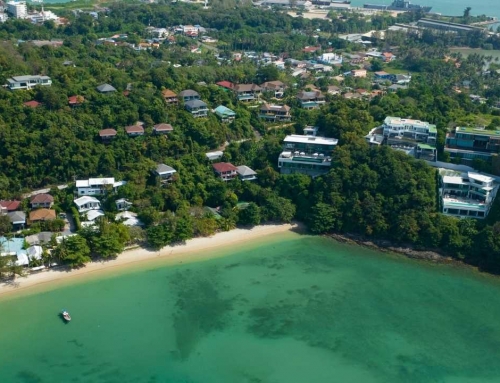
Luxury villas remain the strongest performing asset class for long-stay buyers. Demand continues to focus on privacy, space, modern layouts, and secure residential environments, particularly within gated estates and established neighbourhoods on Phuket’s west coast.
Luxury condominiums retain appeal for buyers prioritising ease of ownership, managed facilities, and prime locations. However, as competition between projects has increased, buyers in 2026 are showing greater sensitivity to build quality, management standards, and long-term resale liquidity rather than purely price or rental projections.
Foreign demand and ownership structure
Foreign buyers remain central to Phuket’s luxury market structure. Government transfer data released in 2025 showed nearly 4,000 condominium units transferred to foreign nationals nationwide in the first quarter alone, with total transaction value exceeding THB 16 billion.
While this data reflects Thailand as a whole, Phuket consistently captures a significant share of high-quality foreign demand due to its international accessibility, lifestyle infrastructure, and legal clarity around condominium ownership. For many overseas buyers, Phuket is no longer viewed as a seasonal destination but as a long-term residential base.
Demand drivers shaping 2026
Several structural drivers continue to support luxury demand moving into 2026.
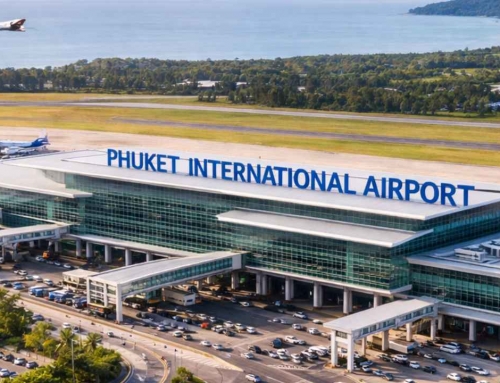
Tourism recovery remains an important confidence factor. Airport arrival data released in 2025 showed international passenger volumes exceeding 8.6 million visitors in the prior year, reinforcing Phuket’s global connectivity and long-term appeal.
Lifestyle migration is also playing a growing role. Buyers relocating for education, healthcare, climate, and quality of life are increasingly influencing residential demand, particularly in villa-led communities.
Supply limitations remain a defining factor. Prime residential land is finite, and rising construction and compliance costs have slowed the pace of new luxury development, especially in low-density zones. This naturally supports pricing for well-located, well-designed properties.
Investment considerations and risk awareness
While Phuket’s luxury market remains attractive, outcomes vary widely between properties. Buyers in 2026 are placing greater emphasis on ownership structure, build standards, management quality, and long-term usability rather than short-term yield assumptions.
Oversupply risk remains more pronounced in undifferentiated mid-market segments, while distinctive luxury assets in established locations tend to demonstrate stronger value retention. Due diligence and realistic expectations remain essential in a market that is transitioning toward maturity.
Phuket’s luxury property market enters 2026 on stable footing, supported by international demand, lifestyle-led migration, and constrained prime supply. Rather than rapid rebound conditions, the year ahead reflects a more disciplined market environment where quality, location, and long-term fundamentals matter most.