By Phuket News Property Editorial Team · March 29, 2026
Phuket’s property market does not operate in isolation. Infrastructure development across the island continues to play an important role in shaping how different areas evolve, influencing both where people choose to live and how demand develops over time.
As Phuket moves through 2026, several infrastructure trends and projects are drawing attention for their potential long-term impact on the island’s property landscape.
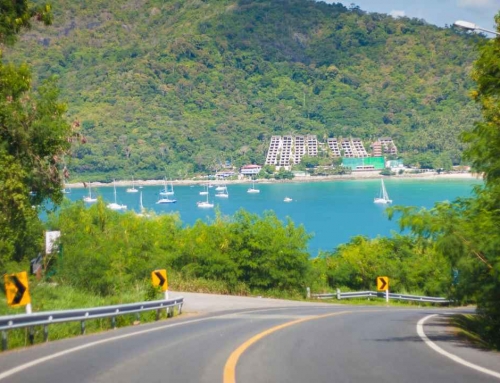
Road network improvements and traffic flow
Ongoing efforts to improve Phuket’s road network remain a key focus for local authorities.
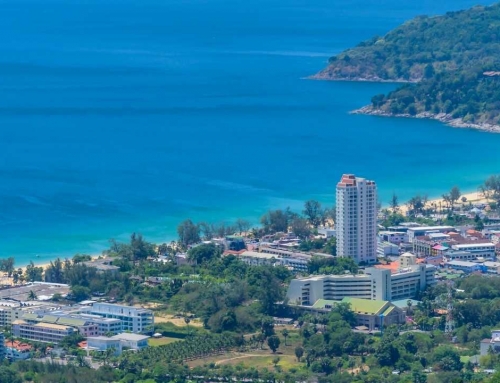
Traffic congestion has long been a concern in certain parts of the island, particularly in high-density west coast areas. Improvements to road connectivity and traffic management can have a meaningful effect on daily life, reducing travel times and increasing the practicality of living in certain locations.
Over time, even relatively small upgrades can influence buyer behaviour by making previously less convenient areas more accessible.
Continued development around Cherng Talay and Bang Tao
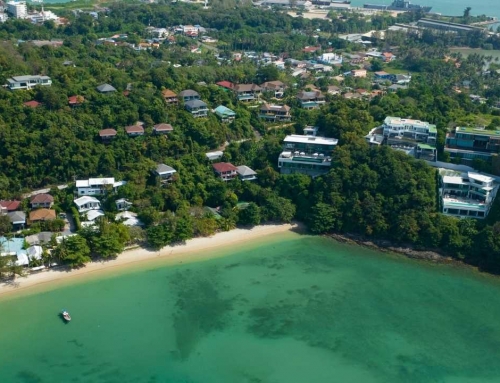
The Cherng Talay and Bang Tao area continues to see infrastructure expansion alongside residential growth.
Retail hubs such as Porto de Phuket and Boat Avenue have already reshaped the area’s appeal, while ongoing development within Laguna Phuket continues to enhance its position as one of the island’s most established residential zones.
In addition, the stretch of coastal land extending towards Layan, much of which remains government-owned and lined with casuarina trees, has been the subject of ongoing discussion regarding preservation and potential public use. While formal timelines are not always clearly defined, the existence of protected or managed coastal zones can influence long-term development patterns.
Phuket International Airport and regional connectivity
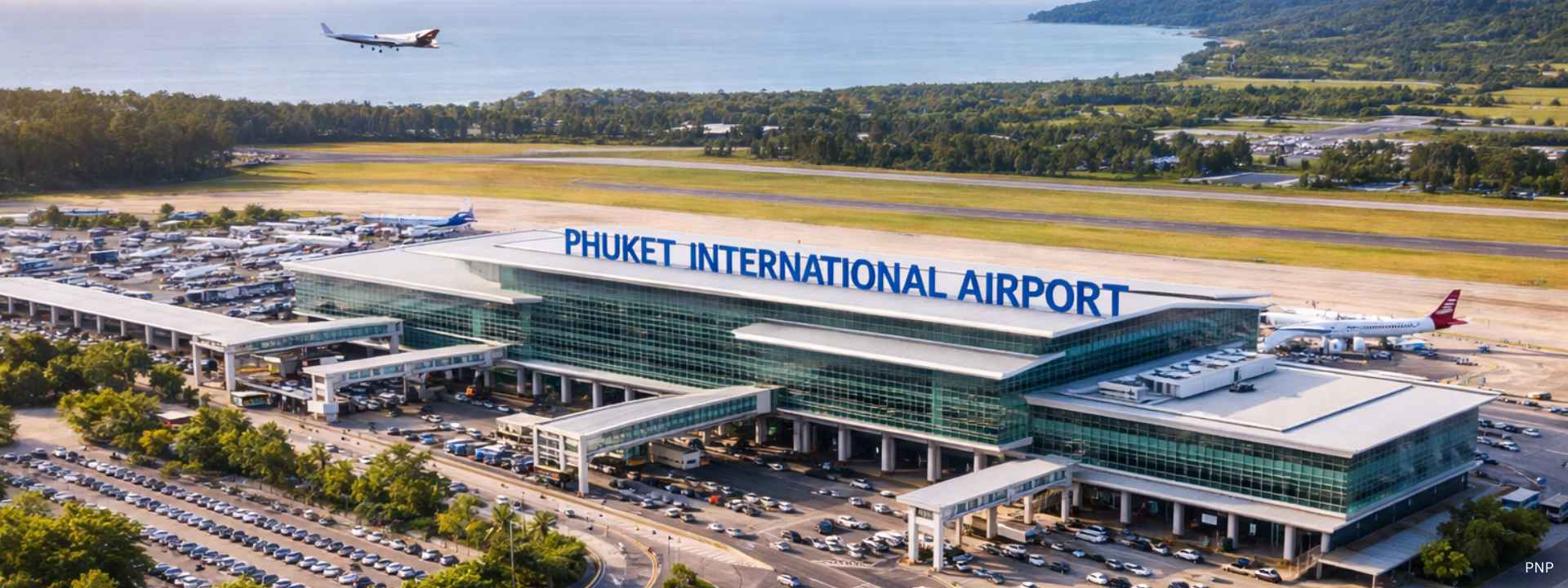
Phuket International Airport remains one of the island’s most important infrastructure assets.
As international travel continues to stabilise and expand, connectivity plays a direct role in supporting both tourism and long-term residency. Improvements in flight routes, passenger capacity and airport operations can all contribute to sustained demand for property across different segments of the market.
Accessibility remains a key consideration for both investors and residents, particularly those travelling frequently between countries.
Healthcare and education infrastructure
Beyond transport and retail, healthcare and education facilities continue to shape residential decisions.
The presence of international-standard hospitals and schools provides a level of reassurance for families and long-term residents. Areas with convenient access to these services often experience more stable demand, as they support everyday living rather than short-term stays.
As these sectors continue to develop, they contribute to Phuket’s transition from a tourism-focused destination to a more balanced residential environment.
Marina developments and the east coast
Phuket’s east coast has long been associated with marine activity, and marina infrastructure remains an important part of that identity.
Facilities supporting boating and yachting not only attract a specific lifestyle segment but also influence nearby residential development. Improved marina infrastructure can enhance the appeal of surrounding areas, particularly for buyers with an interest in marine access.
This is one of the reasons why certain parts of the east coast continue to attract steady, if less visible, long-term interest.
How infrastructure shapes long-term demand
Infrastructure does not usually create immediate changes in property demand, but it plays a significant role over time.
As accessibility improves and services expand, areas that were once considered secondary can become more attractive to residents. At the same time, well-established areas often strengthen their position as infrastructure continues to support their growth.
Understanding these patterns helps explain why demand in Phuket is not evenly distributed, but instead evolves alongside the island’s development.
A long-term perspective on Phuket property
Looking ahead, infrastructure development is likely to remain one of the most important underlying factors influencing Phuket property.
Rather than focusing on short-term changes, many observers look at how roads, transport links, public spaces and essential services develop over time. These elements often shape the long-term desirability of different areas more than any single project.
For buyers and residents alike, awareness of these trends provides useful context when evaluating where Phuket is heading.