Why Some Phuket Property Listings Are Sitting Longer Than Before
Longer listing times in Phuket do not signal weak demand. More choice, price realism, and cash buyers are reshaping how the market moves.
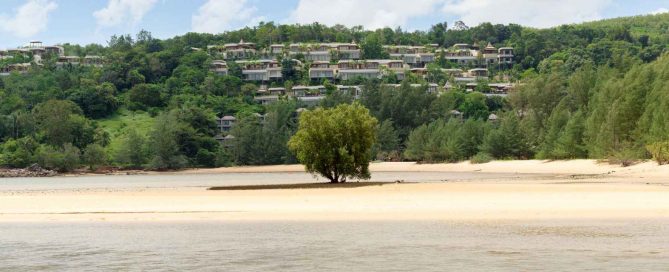
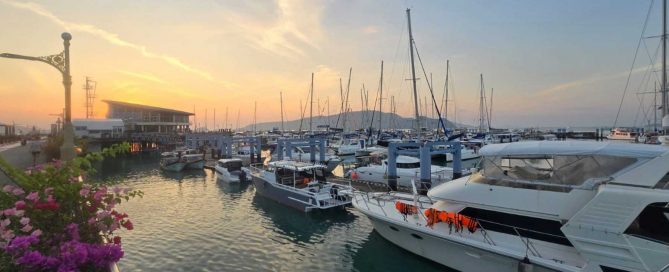
Phuket’s north-east coast offers low-density residential living shaped by calm waters, privacy, and a quieter pace of everyday life away from the island’s west-coast resort areas.
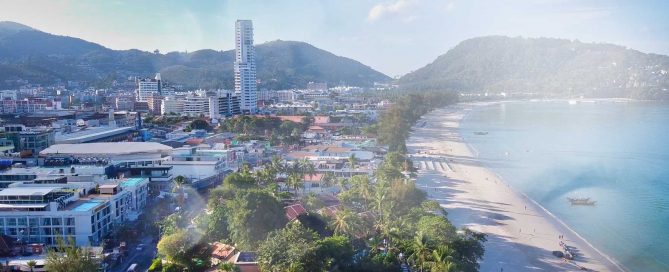
Thailand’s property market faced a significant slowdown through 2025, but Phuket continues to follow a different trajectory, shaped by foreign demand, limited supply, and long-term lifestyle appeal amid broader national challenges.
While Thailand’s property market shows signs of slowing, Phuket’s foreign-driven, cash-based market follows a very different pattern.
Thailand is still considering proposals to extend foreign leasehold terms to 99 years. While not law, the idea remains relevant for Phuket’s property market.
Phuket’s property market is driven largely by cash buyers, creating slower and more selective market cycles unlike mortgage-led markets.
Phuket’s property market shows signs of normalisation in 2026 following rapid growth after reopening, rising costs, and sustained development activity.
Phuket is increasingly attracting younger property buyers and digital nomads as technology and remote work make long-term island living possible.
Many Phuket property buyers choose to rent first to understand neighbourhoods, lifestyle, and long-term suitability before buying.
Phuket’s international community has shifted from a small group of nationalities to a truly global mix over the past two decades.
Phuket attracts many long-stay residents who choose not to buy property, valuing flexibility, lifestyle, and long-term renting instead.
Phuket’s property market feels different to first-time buyers due to land ownership laws, cash purchases, tourism dynamics, and visa requirements.