Why Cash Buyers Create Different Market Cycles in Phuket
Phuket’s property market is driven largely by cash buyers, creating slower and more selective market cycles unlike mortgage-led markets.

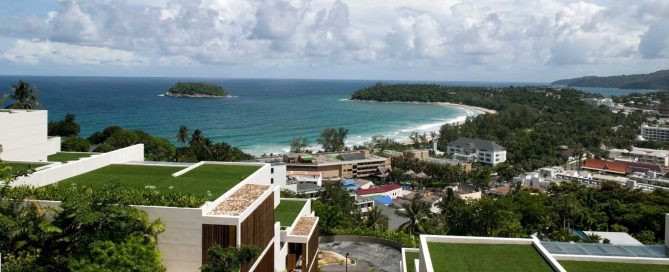
Phuket’s property market is driven largely by cash buyers, creating slower and more selective market cycles unlike mortgage-led markets.
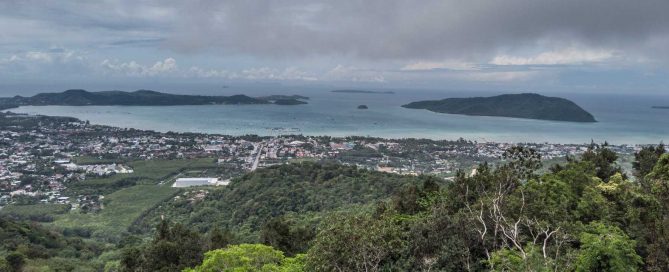
Phuket’s property market shows signs of normalisation in 2026 following rapid growth after reopening, rising costs, and sustained development activity.

Phuket is increasingly attracting younger property buyers and digital nomads as technology and remote work make long-term island living possible.

Many Phuket property buyers choose to rent first to understand neighbourhoods, lifestyle, and long-term suitability before buying.
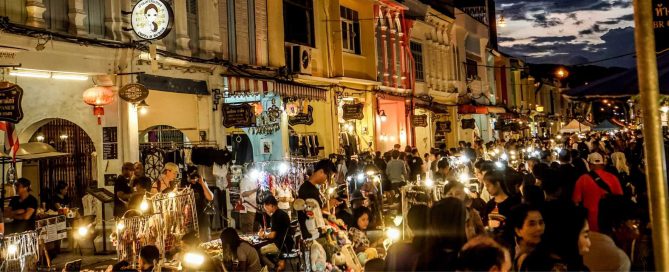
Phuket’s international community has shifted from a small group of nationalities to a truly global mix over the past two decades.

Phuket attracts many long-stay residents who choose not to buy property, valuing flexibility, lifestyle, and long-term renting instead.
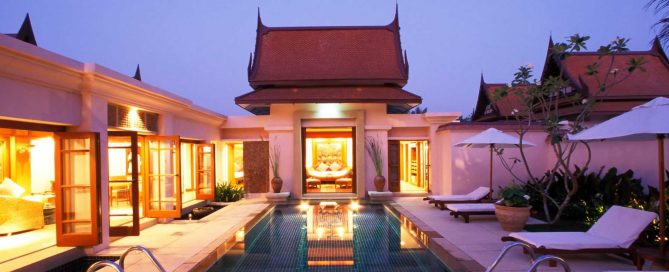
Phuket’s property market feels different to first-time buyers due to land ownership laws, cash purchases, tourism dynamics, and visa requirements.
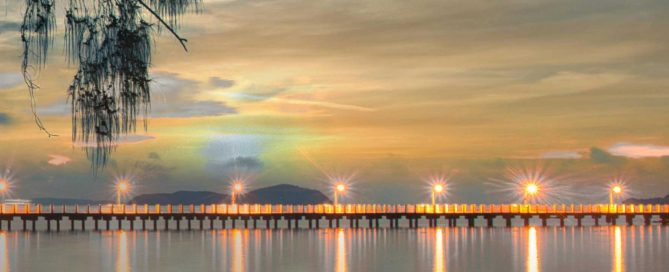
Phuket’s infrastructure has evolved dramatically, transforming daily life through improved roads, shopping, leisure facilities, and modern services.
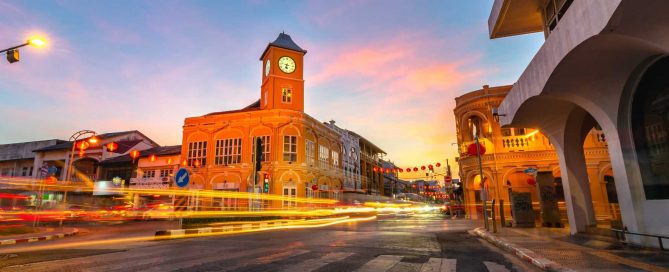
Some areas of Phuket feel highly seasonal while others remain residential year-round. Understanding these differences helps residents choose where to live.
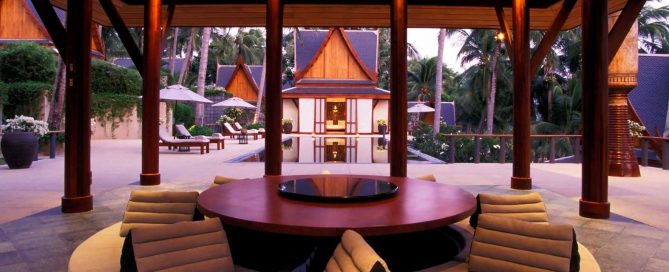
Phuket’s luxury property market enters 2026 with stable demand, constrained prime supply, and a growing focus on long-term residential ownership.

Phuket’s property prices in 2026 are influenced not only by demand and land values, but also by construction labour availability. This article explains how Myanmar workforce dynamics affect build costs, supply timelines, and pricing across the island.

Phuket has modernised rapidly, yet it still feels like an island shaped by the sea, tradition, and a relaxed pace of life.