By Phuket News Property Editorial Team · February 3, 2026
Phuket has quietly evolved from a seasonal tourism destination into one of Southeast Asia’s most internationally diverse residential communities. What was once a predominantly holiday island now supports long-term residents from across Europe, Asia, the Middle East, Oceania, and North America. This shift has reshaped neighbourhoods, schools, businesses, and everyday life on the island.
While tourism continues to drive short-term visitor numbers, a growing portion of Phuket’s population now consists of permanent and semi-permanent foreign residents who live, work, retire, or run businesses locally.
Established European communities
European nationals remain a prominent part of Phuket’s long-stay population. British, German, French, Scandinavian, and Italian residents have formed well-established communities across Rawai, Nai Harn, Kata, Kamala, and Bang Tao. Many arrived initially as holiday visitors and later transitioned into retirement, remote work, or small business ownership.
European influence is reflected in multilingual services, international supermarkets, sports clubs, and social associations that now operate year-round rather than seasonally.
Growth of Russian and Eastern European residents
Over the past decade, Russian and Eastern European residents have become increasingly visible across southern and central Phuket. Dedicated services, restaurants, schools, and childcare facilities now cater to these communities, particularly in Rawai and surrounding areas.
This group includes long-stay holidaymakers, business owners, digital professionals, and families enrolling children in local international schools.
Rising Asian and Middle Eastern presence
Phuket has also seen growing residency from Asian and Middle Eastern nationals. Chinese, Indian, Korean, Japanese, and Middle Eastern residents now form important segments of the island’s business, hospitality, medical tourism, and real estate sectors.
Some maintain holiday homes, while others operate regional business hubs connected to Thailand’s broader travel and investment networks.
Growing North American communities
American and Canadian residents now form a visible and expanding segment of Phuket’s long-stay population. Many are retirees, remote workers, entrepreneurs, or families seeking international schooling and year-round outdoor lifestyles.
North American-owned cafés, restaurants, fitness studios, consultancy services, and online businesses have become increasingly common, particularly in Rawai, Nai Harn, Chalong, Kamala, and Bang Tao. English-language business services, legal support, and healthcare facilities have further supported this community’s long-term settlement.
International schools reflecting global diversity
One of the clearest indicators of Phuket’s nationality mix is found in international school enrolments. Leading schools on the island now serve students from dozens of national backgrounds, creating multilingual classrooms and culturally blended communities.
This has encouraged more families to relocate long-term, supported by expanding educational and healthcare infrastructure.
Changing neighbourhood dynamics
Neighbourhoods across Phuket have adapted to this diversity. Local markets, cafés, fitness centres, language schools, legal services, and healthcare providers increasingly operate in multiple languages. Cultural festivals, sports events, and community gatherings now reflect a broader international calendar.
These developments have gradually shifted Phuket from a tourism-only economy to a hybrid lifestyle and residency environment.
A more international island going forward
Phuket’s nationality mix continues to evolve as remote work, global mobility, and lifestyle relocation become more common. Infrastructure investment, digital services, healthcare expansion, and international schooling are reinforcing the island’s appeal as a long-stay destination.
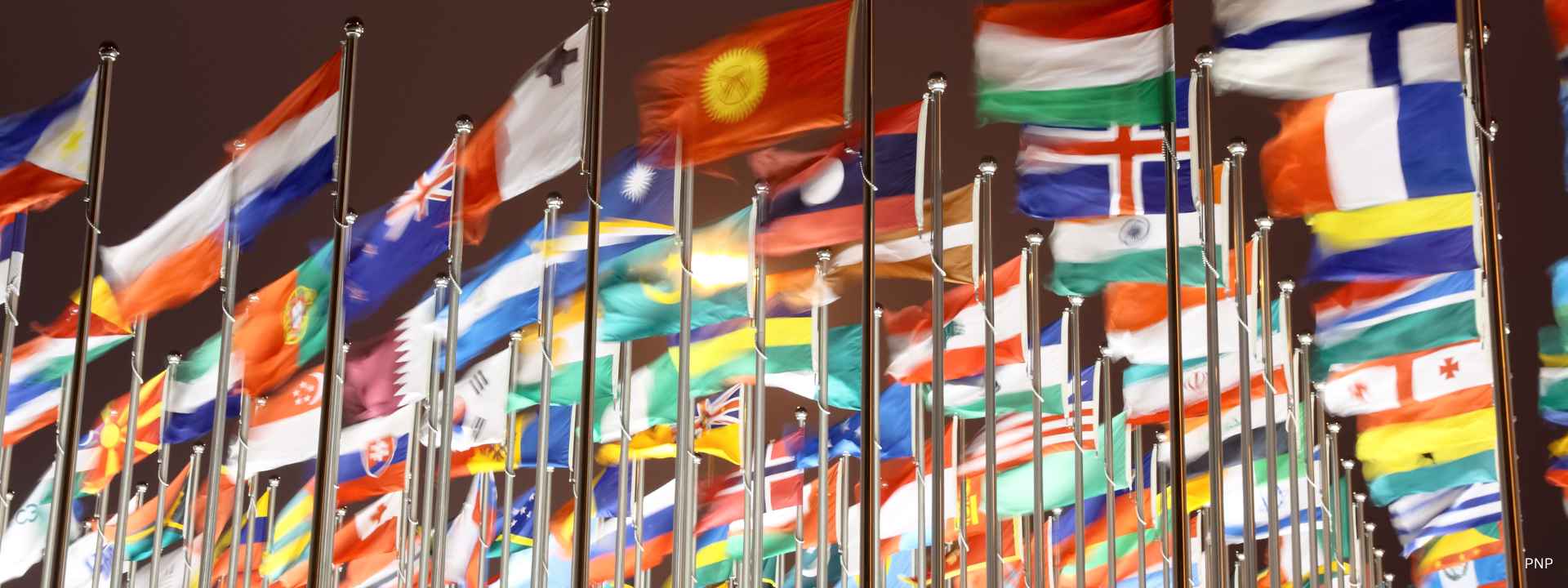
Rather than serving one dominant expatriate group, Phuket now supports a genuinely multi-national resident population that is shaping the island’s future identity.