By Phuket News Property Editorial Team · January 20, 2026
While Phuket’s shopping malls and international supermarkets continue to expand, the island’s traditional markets remain deeply woven into everyday local life. Long before convenience stores open and long after tourism headlines fade, neighbourhood markets quietly supply much of the food that appears on family tables across the island.
These markets are not simply places to buy ingredients. They are social spaces, cultural meeting points, and part of a rhythm of life that has changed little over generations.
Early mornings at the heart of local routine
Most fresh markets in Phuket begin operating before sunrise. Vendors arrive while the streets are still quiet, setting up stalls, unloading seafood from overnight boats, arranging vegetables, fruit, herbs, and prepared dishes. By the time the sky brightens, the markets are already active.
Thai families arrive early to choose the day’s ingredients. Restaurant owners collect supplies for breakfast and lunch service. Elderly residents walk familiar aisles greeting vendors they have known for years. This early-morning pattern remains a defining feature of island life.
Fresh produce defines the market experience
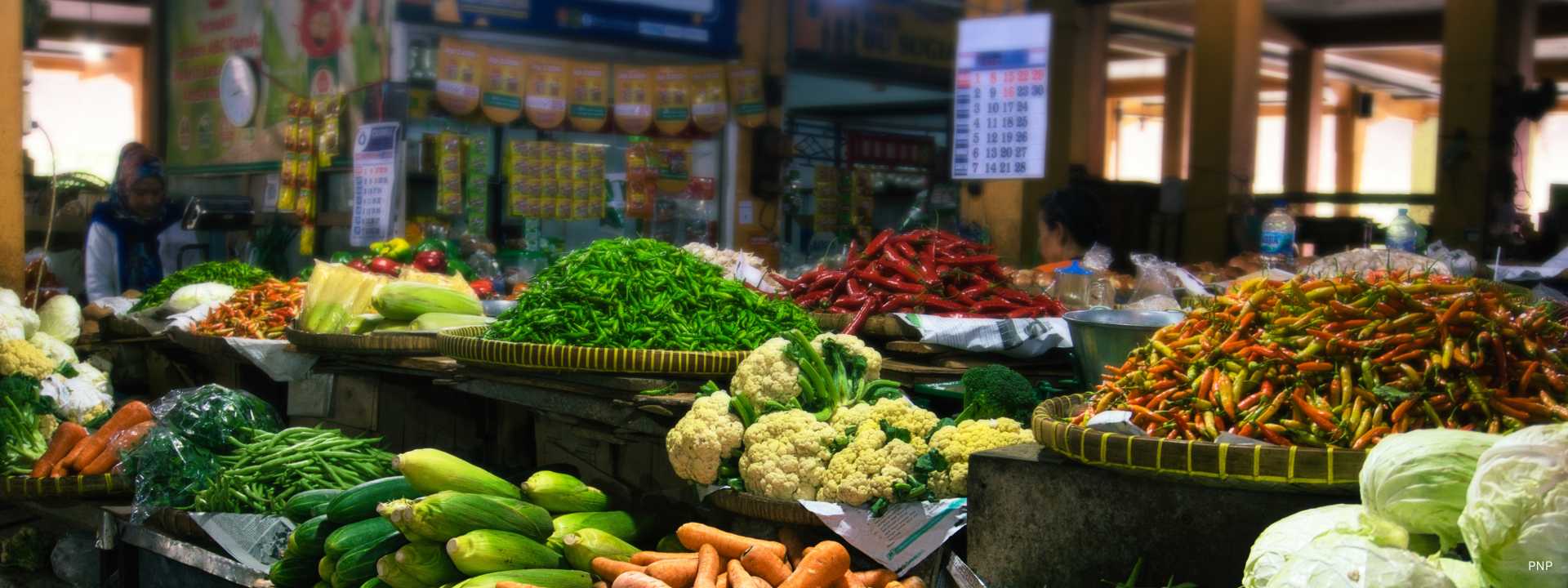
The appeal of Phuket’s markets lies first in freshness. Fish and shellfish arrive straight from the boats. Seasonal vegetables, herbs, and fruit come from local farms. Fresh eggs, tofu, curry pastes, and spice mixes fill woven baskets and metal trays. Cooked foods such as Hor Mok, Khanom Chin, grilled meats, and traditional desserts add aromas that drift through narrow walkways.
Everything is displayed openly. Buyers touch, smell, taste, and speak directly with stallholders. There is no sealed packaging, no anonymous shelving, and no distance between producer and customer.
Community over convenience
While modern supermarkets offer air-conditioning and wide aisles, many local residents still prefer the markets. The atmosphere is informal and familiar. People stop to chat, exchange news, laugh with vendors, and share recipe tips. Children walk alongside parents learning how to choose fruit or inspect fish.
This community feel stands in contrast to large warehouse-style retail spaces. Markets remain human-scaled, friendly, and personal. For many locals, shopping is as much about connection as it is about ingredients.
Supporting local livelihoods
Market trade also sustains small family businesses across the island. Fishermen, farmers, food producers, and prepared-food vendors rely on daily market sales. Buying locally keeps money circulating within neighbourhoods and supports traditional food knowledge that has been passed down for generations.
Even as international retail chains grow, these networks of local supply continue to provide resilience and cultural continuity.
A sensory part of island life
Phuket’s markets are filled with colour, movement, voices, and scent. Stainless steel tables glisten with ice. Plastic stools gather around noodle stalls. Motorbikes weave through narrow access lanes. The rhythm is lively, practical, and distinctly local.
For residents, markets are not attractions. They are part of daily life, shaping how food is bought, cooked, shared, and enjoyed across the island.