By Phuket News Property Editorial Team · January 12, 2026
Phuket has transformed dramatically in just a few decades. New roads, resorts, residential estates, and tourism infrastructure have reshaped the island’s landscape. Alongside this progress, something quieter has also changed. The natural life that once defined daily living in Phuket has become less visible, more fragile, and increasingly dependent on how residents and visitors choose to behave in the years ahead.
Remembering the wildlife that once defined the island
Long time residents often recall a very different Phuket. Land crabs once crossed roads in large numbers after rainfall. Asiatic tortoises were regularly seen in forested areas. Slow lorises moved through the trees at night. Monitor lizards were common near water sources. Seahorses could be found in shallower coastal waters. Sea turtles nested on quieter beaches. Seasonal jellyfish blooms were part of the natural rhythm of the coastline.
These sightings were once ordinary. They were part of an ecosystem that existed alongside villages, small roads, fishing communities, and undeveloped hillsides. As the island urbanised, many of these encounters became rare.
How development and tourism reshaped natural habitats
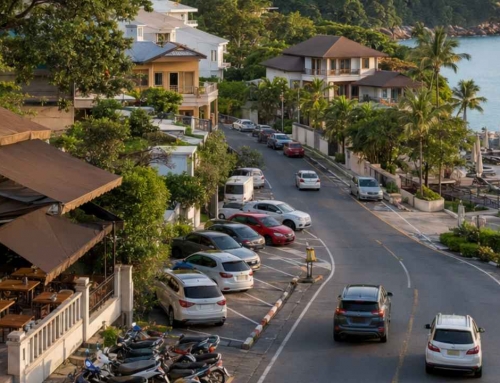
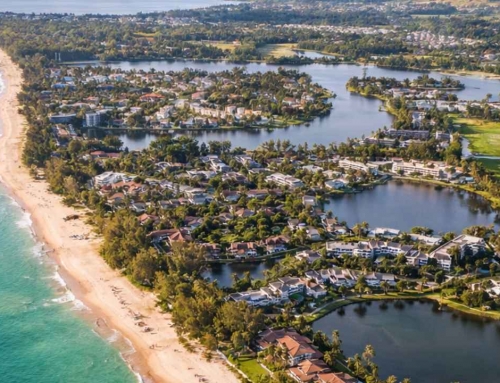
Phuket’s growth has been rapid. Forested land has been cleared for housing estates and hotels. Hillsides have been terraced for sea view developments. Coastal zones have been modified to support beachfront tourism. Road networks now cut through areas that were once continuous natural corridors for wildlife.
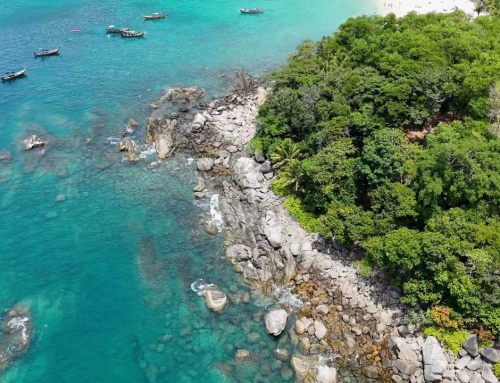
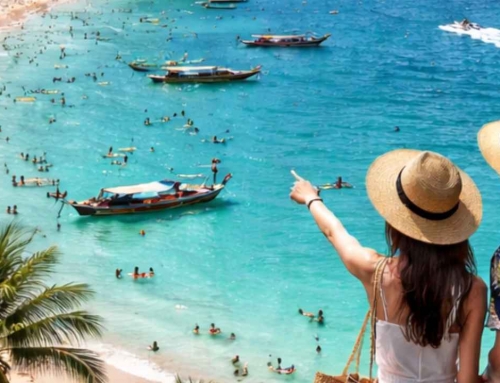
Marine activity has also expanded. Fishing fleets are larger and more numerous. Boat traffic is constant. Popular bays host water sports and marine excursions every day. These changes have placed pressure on coastal ecosystems that were once lightly used.
None of this happened overnight. It is the cumulative effect of decades of growth driven by demand for housing, tourism, and modern infrastructure. The outcome is a more developed island, but one where natural habitats are increasingly fragmented.
Why awareness now matters more than ever
Today, the future of Phuket’s remaining wildlife depends less on large scale policy decisions and more on everyday behaviour.
Driving more cautiously in forested and rural areas reduces road mortality for animals. Leaving crabs, turtles, and marine creatures undisturbed protects fragile populations. Avoiding the collection or handling of wildlife prevents stress and harm. Supporting protected forest zones and marine conservation areas strengthens long term survival prospects.
These actions are simple. But when multiplied across thousands of residents and millions of visitors each year, they determine whether Phuket’s remaining natural life stabilises or continues to decline.
A shared responsibility for the next generation
Phuket’s appeal has always been more than beaches and sunshine. It is the combination of landscape, sea, culture, and natural environment that gives the island its identity. Future residents and visitors will inherit whatever remains of that environment.
Protecting Phuket’s natural life does not mean rejecting progress. It means recognising that growth carries responsibility. The next chapter of the island’s story will be written not only by developers and policymakers, but also by families, travellers, homeowners, and communities who choose whether to respect and preserve the living world around them.