By Phuket News Property Editorial Team · January 12, 2026
Phuket is often spoken about as a single destination, but daily life on the island varies greatly depending on where someone lives. One of the biggest differences residents notice is how seasonal certain areas feel, while others remain relatively consistent throughout the year.
This contrast shapes everything from community life and traffic to noise levels and local services.
Tourism intensity varies widely by location
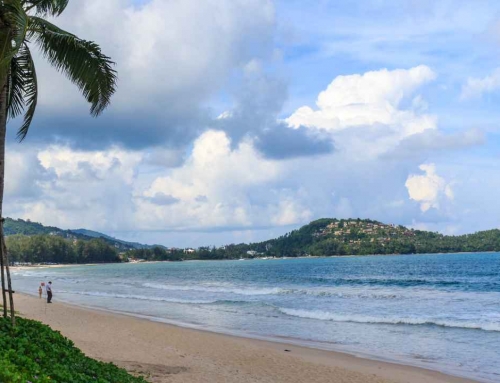
Some parts of Phuket are closely tied to tourism. Beachfront areas, resort zones, and neighbourhoods with a high concentration of short-term accommodation naturally experience large seasonal swings.
During high season, these areas can feel busy and energetic, with visitors far outnumbering permanent residents. Restaurants, bars, and entertainment venues operate at full capacity, and the overall atmosphere shifts toward holiday activity.
In contrast, other areas attract far fewer tourists and retain a more residential character year-round.
Residential zones maintain a steady rhythm
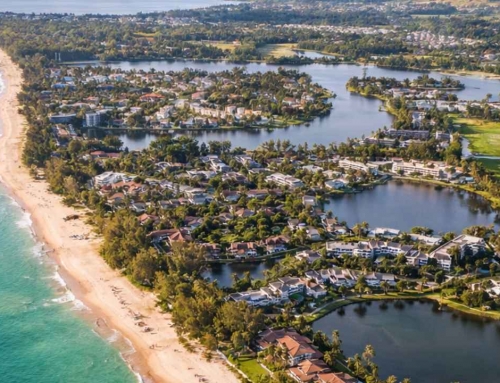
In areas where long-term residents dominate, daily life tends to follow a more predictable pattern. Schools, local markets, fitness facilities, and neighbourhood businesses serve the same community regardless of the season.
These areas may still feel busier at certain times of year, but residents are not overwhelmed by visitor numbers. For many long-stay residents and families, this stability is a key reason for choosing a particular neighbourhood.
Seasonal changes affect daily routines
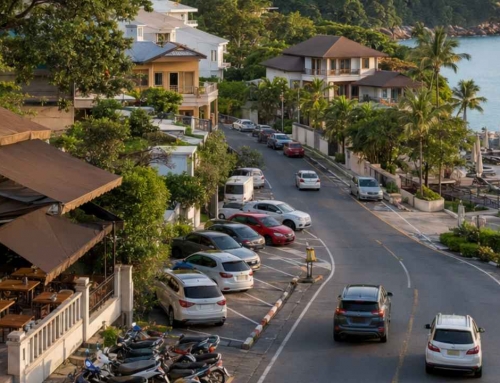
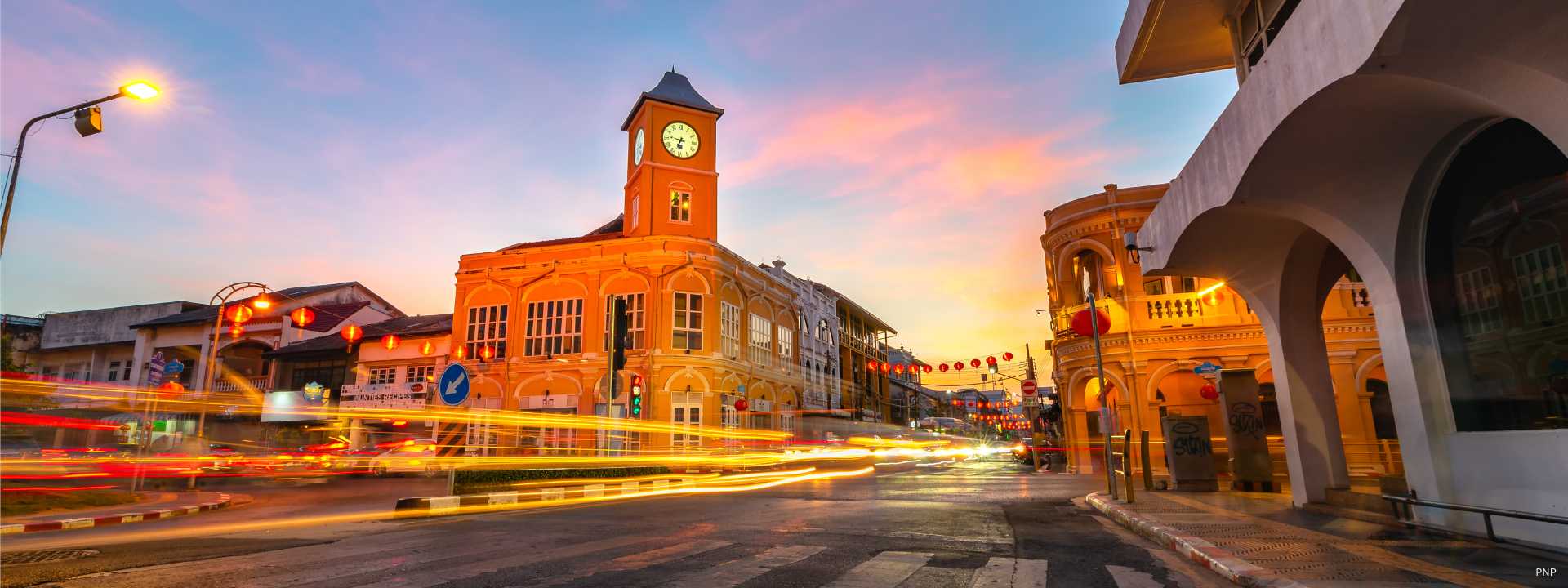
For residents living in tourism-heavy areas, daily routines often adapt to the seasons. Traffic increases, parking becomes more limited, and quiet periods give way to lively evenings.
Some residents enjoy this energy and appreciate the social and economic benefits that tourism brings. Others find the seasonal shifts disruptive and prefer locations where tourism plays a smaller role in everyday life.
Understanding how an area changes throughout the year is an important part of choosing where to live.
Business mix influences how areas feel
The types of businesses in an area also shape its seasonal character. Neighbourhoods dominated by hotels, short-term rentals, and entertainment venues tend to experience sharper fluctuations.
Areas with a higher concentration of schools, offices, local shops, and residential services often feel less affected by seasonal tourism patterns. These places function more like traditional communities, even on an island known globally for travel and leisure.
Tourism and residential life coexist differently across the island
Phuket’s identity as both a residential island and a major tourism destination means that residents inevitably share space with visitors. However, the balance between tourism and residential life varies greatly.
In some areas, residents adapt to tourism as part of daily life. In others, tourism exists more on the periphery, allowing long-term residents to maintain routines with minimal disruption.
Neither model is better or worse, but they suit different lifestyles.
Choosing an area based on lifestyle priorities
For newcomers, the seasonal nature of different areas is not always obvious during short visits. A neighbourhood that feels calm during one month may feel very different during peak season.
This is why many long-stay residents choose to rent before committing to a long-term home. Experiencing an area across different seasons provides valuable insight into whether its rhythm matches personal preferences.
A key part of Phuket’s diversity
The fact that Phuket offers both highly seasonal and relatively stable areas is part of what makes the island appealing to a wide range of people. Some residents enjoy living close to the energy of tourism, while others prioritise quieter surroundings.
This diversity allows people to choose environments that align with their lifestyle, rather than forcing a single experience across the island.
Understanding these differences helps residents make informed decisions about where to live and why one area may feel very different from another, even within the same island.