By Phuket News Property · January 6, 2022
Anyone considering a condominium in Phuket will come across the term “common area fees,” also known as CAM fees. These charges apply to all unit owners in licensed condominium developments and are used to fund the maintenance and management of the building’s shared facilities. Understanding how these fees work can help buyers plan their budgets and evaluate the long-term upkeep of a condominium project.
What are common area fees?
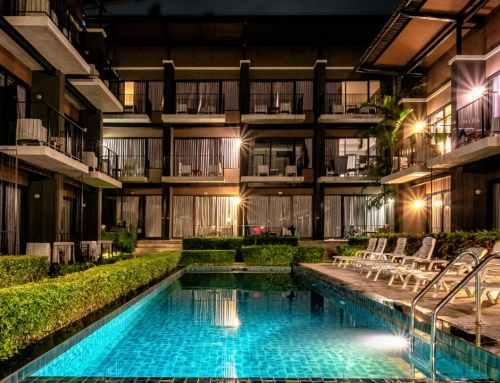
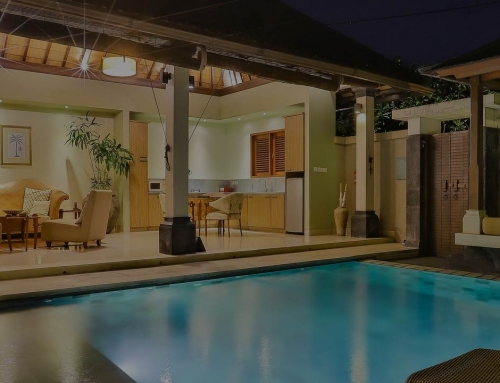
Common area fees cover the cost of maintaining and operating the shared spaces and facilities within a condominium development. These areas may include swimming pools, gardens, lifts, fitness centres, parking spaces, walkways and reception areas. The fees also support ongoing building services such as security, cleaning and waste management.
Every condominium development sets its own fee structure, which is approved by the management committee and recorded in the building’s regulations.
How are the fees calculated?
Fees are typically calculated on a per-square-metre basis, using the unit’s internal size as stated on the title deed. Owners pay the fee annually or in advance, depending on the development’s policy.
The cost per square metre varies between projects. Factors influencing the rate include the level of facilities, the quality of maintenance, the number of units sharing the expenses and the overall scale of the development.
What do the fees usually cover?
Common area fees often include the following:
-
building management and administration
-
security services
-
cleaning of shared areas
-
waste collection
-
maintenance of gardens and landscaping
-
upkeep of swimming pools and recreational facilities
-
lift maintenance
-
electricity and water for common areas
-
insurance for the building’s common property
Some developments offer additional facilities such as saunas, co-working spaces or shuttle services, which may increase the fees accordingly.
Reserve fund (sinking fund)
In addition to common area fees, owners may be required to contribute to a reserve fund, also known as a sinking fund. This is a separate payment collected to cover major repairs or long-term improvements such as repainting, roof replacement or structural upgrades.
The sinking fund is usually a one-time payment when the owner first takes possession of the unit, although some developments collect it periodically depending on maintenance needs.
Why fees vary between developments
Two projects with similar unit prices can still have very different fee structures. Variations may arise from:
-
the scale of the development
-
the range and quality of shared facilities
-
the number of owners contributing
-
the management approach
-
the age of the building
Larger developments with many units may have lower fees because running costs are shared more widely. Conversely, boutique or low-density buildings often have higher fees due to fewer owners sharing the expenses.
What buyers should consider
Buyers comparing condominiums in Phuket often look beyond the initial purchase price and evaluate the long-term cost of ownership. Reviewing the common area fees offers insight into how well the building is maintained and whether the development invests properly in the upkeep of facilities.
It is also important to check whether the fees have remained stable, increased gradually or changed significantly over time, as this may reflect the building’s management practices.
A key part of condo ownership
Common area fees form an essential part of owning a condominium in Phuket. They ensure that shared facilities remain functional, safe and enjoyable for all residents. Buyers who understand how these fees work can make more informed decisions when comparing different developments.